
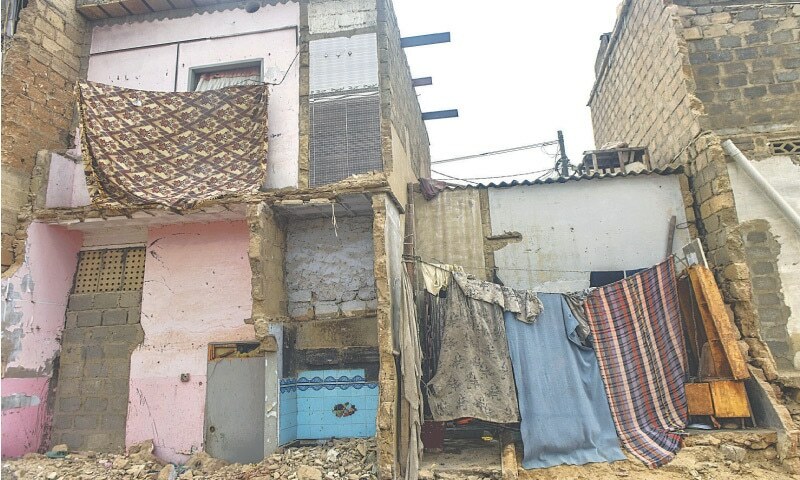
The Challenge of Revitalising Communities
Many cities have neighbourhoods filled with vacant homes, aging buildings, and broken infrastructure. These areas often sit just a few blocks away from thriving business districts. The contrast is sharp. One street has coffee shops and new apartments. The next has boarded windows and empty lots.
Urban renewal projects often promise to fix this. Investors arrive. Construction begins. Property values rise. On the surface, the neighbourhood improves.
But many residents disappear during the process.
According to the National Community Reinvestment Coalition, more than 135,000 residents were displaced by gentrification in major U.S. cities between 2000 and 2015. Rents increased. Property taxes rose. Long-term residents could not afford to stay.
Revitalisation should not require removal. Communities deserve improvement without losing their people.
Why Displacement Happens
Most redevelopment follows the same pattern. Developers purchase multiple properties in a struggling area. Renovations attract higher-income residents. New businesses follow.
This model increases property values quickly. It also raises rents.
Landlords adjust prices to match the new market. Homeowners face higher tax assessments. Long-term tenants receive eviction notices when buildings convert to higher-priced housing.
The neighbourhood improves on paper but loses the community that shaped it.
Urban renewal should strengthen a community, not replace it.
The Value of Existing Communities
Neglected neighbourhoods often contain strong social networks. Families share childcare. Local shop owners know their customers. Residents look out for elderly neighbours.
These networks support stability.
Research from the Urban Institute shows that neighbourhoods with strong social connections experience lower crime rates and better health outcomes. When displacement occurs, those networks break apart.
Urban development should protect these connections.
“We renovated a house in Baltimore that had been empty for years,” said Timur Yusufov. “The neighbour came over while we were working. She said the biggest problem wasn’t the building. It was that nobody had lived there for a decade. A house with lights on changes a block.”
Small improvements can restore confidence in a neighbourhood without pushing residents out.
Practical Strategies for Resident-Focused Renewal
Preserve Existing Housing
Renovating current housing stock keeps residents in place. Older homes often require structural repair, updated wiring, or improved insulation. These upgrades extend the life of the property without changing ownership patterns.
According to the Joint Center for Housing Studies at Harvard, more than 30 million U.S. homes need moderate or substantial rehabilitation. Repairing these homes protects affordability and prevents vacancy.
Encourage Local Ownership
Homeownership stabilises communities. Residents who own property are less likely to leave during redevelopment.
Cities can support ownership by offering tax credits, renovation grants, or low-interest rehabilitation loans. These programmes allow long-term residents to improve their homes without selling them.
Protect Affordable Rentals
Many residents rely on rental housing. Local governments can support stability through rent stabilisation policies or incentives for landlords who maintain affordable units.
Another option involves community land trusts. In this model, land ownership stays with a non-profit organisation while residents own or rent the homes on that land. This keeps housing prices stable over time.
Support Local Businesses
Small businesses help anchor neighbourhood identity. Redevelopment should prioritise existing business owners rather than replacing them.
Cities can offer reduced commercial rents, tax breaks, or grants for storefront improvements. These programmes keep neighbourhood economies intact.
“One shop owner told me he had survived three recessions but was afraid of redevelopment,” Yusufov said. “His rent doubled when new apartments went up across the street. That’s the kind of pressure that pushes people out.”
Supporting local businesses keeps money circulating within the community.
Infrastructure Improvements Without Displacement
Revitalisation also involves public infrastructure. Streets, lighting, and parks influence how people experience their neighbourhood.
Simple improvements can change daily life without affecting housing costs.
Cities can repair sidewalks, add street lighting, and improve drainage systems. Public parks and green spaces encourage community gatherings and outdoor activity.
The Trust for Public Land reports that people who live within a 10-minute walk of a park are more likely to exercise and report higher satisfaction with their neighbourhood.
These improvements strengthen neighbourhoods without increasing housing pressure.
Community Input as a Design Tool
Residents understand their neighbourhood better than outside planners. They know which intersections flood after storms. They know where lighting is poor and which streets feel unsafe.
Urban renewal projects should start with community meetings, surveys, and neighbourhood partnerships.
Residents can guide decisions about housing types, public spaces, and transportation routes.
When communities help shape redevelopment plans, outcomes improve.
Research from the Lincoln Institute of Land Policy shows that projects designed with community participation experience fewer delays and stronger long-term support.
Balancing Investment and Stability
Investment is necessary. Buildings age. Infrastructure fails. New businesses create jobs.
The challenge is balancing growth with stability.
Developers can focus on mixed-income housing rather than luxury-only construction. This approach allows residents from different income levels to remain in the area.
Cities can phase development gradually. Rapid redevelopment often creates sudden price spikes. A slower approach allows markets and residents to adjust.
Local hiring policies also help. Construction and maintenance jobs can go to neighbourhood residents. This keeps economic benefits within the community.
Long-Term Thinking in Urban Development
Sustainable redevelopment takes patience. Quick profit strategies often lead to displacement and unstable housing markets.
Long-term investment produces stronger results. Renovated homes stay occupied. Local businesses grow. Infrastructure improves.
Developers, city leaders, and residents must share the same goal: neighbourhood improvement without population replacement.
Urban renewal should bring lights back to empty houses, not remove the people who kept the neighbourhood alive.
Communities deserve growth that respects their history and supports their future.
