
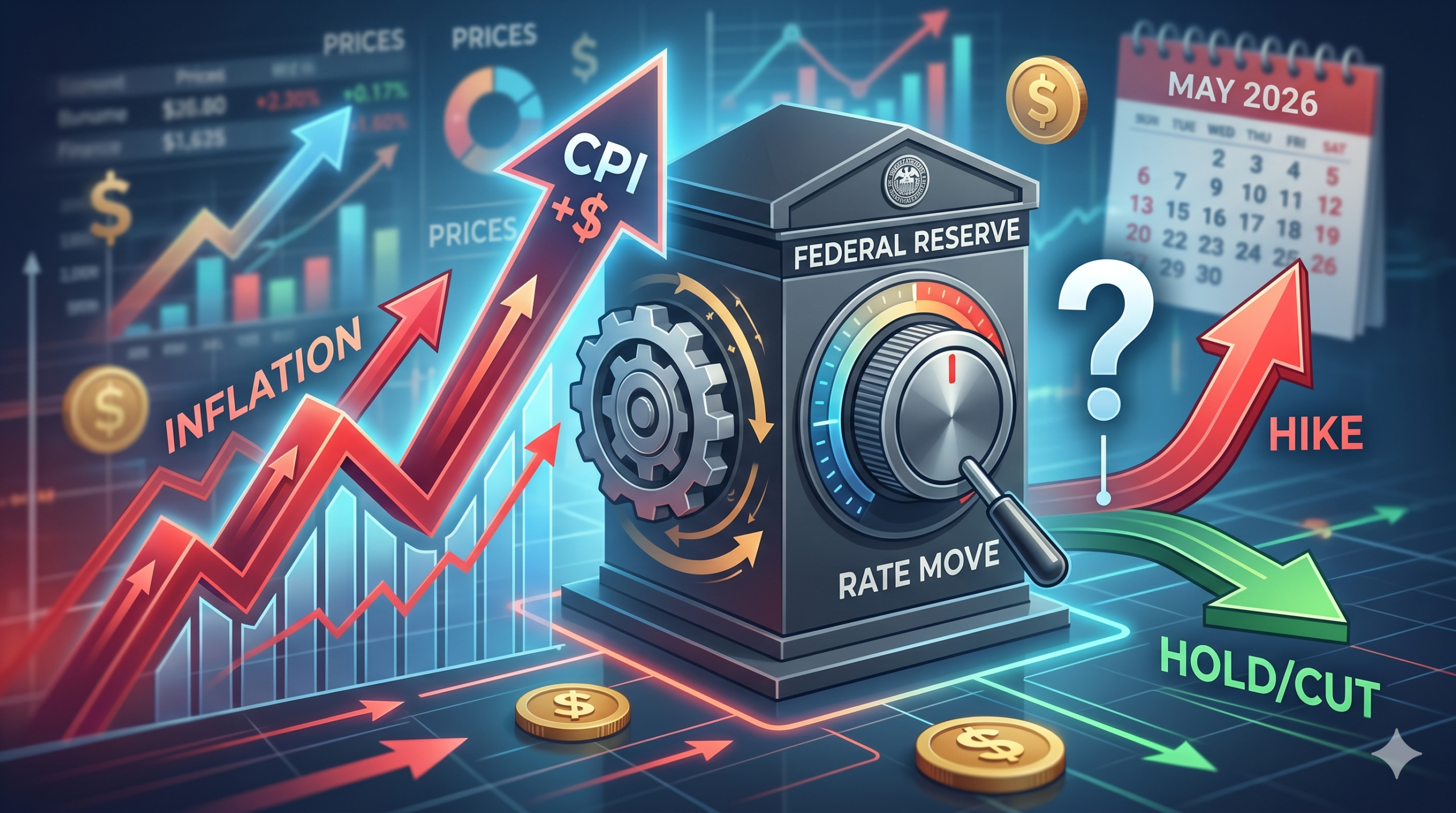
The Federal Reserve plays a major role in shaping how expensive or affordable it is to borrow money in the United States. From home loans to credit cards, its decisions influence everyday financial life in ways many people don’t notice right away. As attention grows toward the Fed Rate Forecast 2026, individuals, businesses, and investors are trying to understand what direction interest rates may take and how that could affect their plans.
In early 2026, the focus on borrowing costs is expected to remain strong as the economy continues adjusting to inflation trends, employment conditions, and global financial pressures. Understanding how Federal Reserve policy works can help people make smarter financial choices, whether they are taking out a loan, buying a home, or managing business expenses.
Fed Rate Forecast 2026 and the Economic Backdrop
The Fed Rate Forecast 2026 is closely tied to the overall health of the U.S. economy. When the economy is strong, the Federal Reserve may keep interest rates higher to control inflation. When growth slows, it may reduce rates to encourage spending and investment. This balancing act is what shapes the direction of borrowing costs across the country.
In 2026, economists expect the Fed to continue responding carefully to inflation data and labor market trends. If inflation stays steady, the Fed may hold rates at moderate levels. However, if price pressures rise again, borrowing costs could increase. This is why the Fed Rate Forecast 2026 is so important for anyone planning loans or large financial decisions in the near future.
How Federal Reserve Policy Influences Borrowing Costs
Federal Reserve policy directly affects the federal funds rate, which is the interest rate banks charge each other for short-term loans. While this rate may seem distant from everyday consumers, it sets the foundation for nearly all other interest rates in the economy, including mortgages, auto loans, and credit cards.
When the Fed raises or lowers rates, banks usually adjust their lending rates in response. This means the Fed Rate Forecast 2026 is a key indicator of what borrowers can expect. Even small changes in the federal funds rate can have a noticeable impact on monthly payments, especially for long-term loans like home mortgages.
Mortgage Rates and Housing Market Expectations in 2026
Mortgage rates are one of the most sensitive areas affected by Federal Reserve decisions. When interest rates rise, home loans become more expensive, which can slow down housing demand. When rates fall, more buyers enter the market, often pushing home prices higher.
Based on the Fed Rate Forecast 2026, the housing market may experience moderate changes rather than extreme shifts. If the Fed maintains a stable policy, mortgage rates could remain steady, giving buyers more confidence. However, any unexpected inflation increase could lead to higher borrowing costs, making homeownership less affordable for some families.
Personal Loans and Credit Card Interest Trends
Personal loans and credit cards are also closely linked to Federal Reserve policy. These types of borrowing usually come with variable interest rates, meaning they can change over time based on economic conditions. When the Fed raises rates, consumers often see higher monthly payments on credit card balances and new personal loans.
The Fed Rate Forecast 2026 suggests that consumers should prepare for possible fluctuations in short-term borrowing costs. Even if rates do not rise sharply, they may remain elevated compared to previous years. This makes it important for individuals to manage debt carefully and avoid relying too heavily on high-interest credit.
Inflation, Employment, and the Fed’s Decision-Making
Inflation and employment are two of the most important factors guiding Federal Reserve decisions. Inflation refers to how quickly prices for goods and services are rising, while employment shows how many people have jobs and are earning income. Together, these indicators help the Fed decide whether to raise or lower interest rates.
In shaping the Fed Rate Forecast 2026, economists are closely watching whether inflation continues to cool or becomes more persistent. A strong job market can sometimes support higher rates, while weaker employment may push the Fed toward lowering them. This ongoing balance is what makes interest rate predictions both complex and highly important.
What Businesses Should Expect from Interest Rates in 2026
Businesses are especially sensitive to changes in interest rates because borrowing often plays a key role in growth and expansion. Companies use loans to invest in equipment, hire employees, and manage cash flow. When interest rates are high, these activities become more expensive and sometimes slower.
Looking at the Fed Rate Forecast 2026, many businesses are preparing for a period of cautious planning. If rates remain steady, companies may continue investing at a normal pace. However, if borrowing costs increase, smaller businesses in particular may face challenges in accessing affordable credit, which could slow down expansion plans.
Conclusion
The Federal Reserve’s decisions have a wide-reaching impact on the economy, especially when it comes to borrowing costs. As the Fed Rate Forecast 2026 continues to develop, it remains a key indicator for homeowners, consumers, and businesses trying to plan ahead. Interest rates affect everything from monthly loan payments to long-term financial stability.
In early 2026, the direction of monetary policy will likely depend on inflation trends, employment strength, and overall economic growth. While no forecast can be perfectly accurate, understanding how the Federal Reserve operates gives people a clearer picture of what to expect. Staying informed about the Fed Rate Forecast 2026 can help individuals and businesses make better financial decisions in an uncertain economic environment.
