
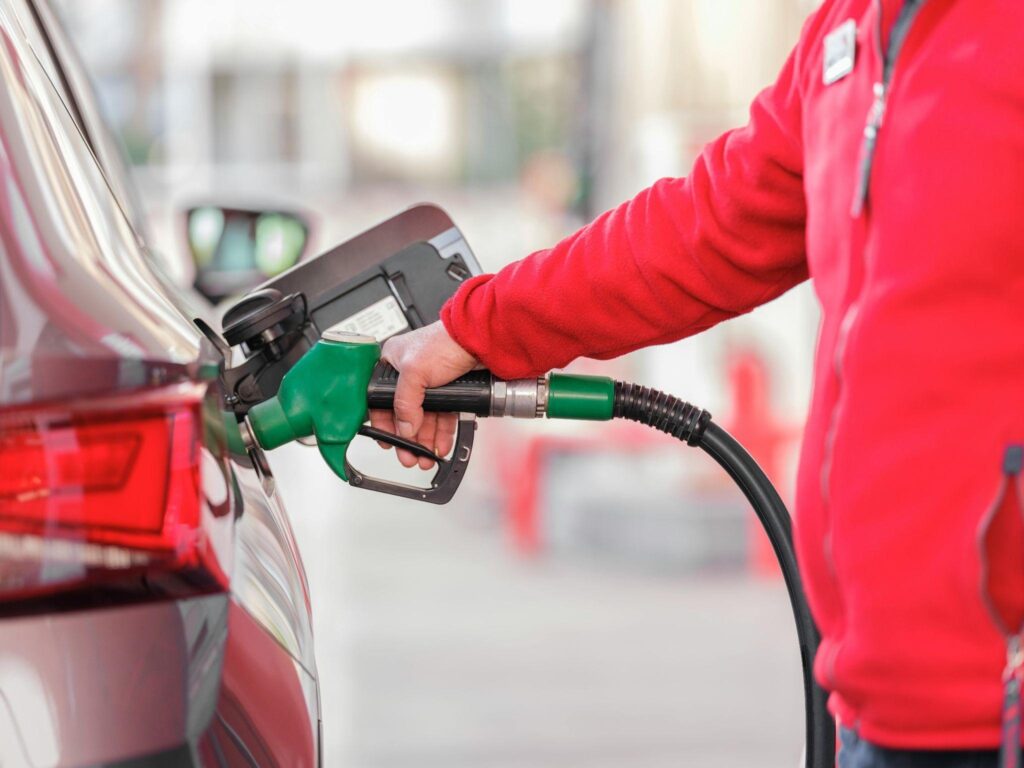
Oil prices impact pretty much everything we buy and use every day. Whether it’s your commute to work or the energy that powers your home, oil does everything. However, many people do not understand how government regulations affect oil prices. These helps protect consumers and other businesses through demand and pricing.
This article illustrates how government regulation influences oil pricing. So you can better understand what drives oil price strikes and how policy decisions can affect your wallet.
How Governments Control Oil Prices?
The different mechanisms used to regulate oil price supply and demand. It acts as a lever that helps control market prices.
1. Price Capping and Price Floors: Governments will often set maximum and minimum pricing on oil to prevent extreme prices.
2. Taxes and Subsidies: The use of taxation on oil raises the cost of the commodity. While subsidies reduce the price paid at the pump for oil.
3. Import/Export Restrictions: Governments’ regulatory frameworks govern the importation and exportation. These control the market price volatility or provide municipal markets with a stable supply.
These regulations create market stability by mitigating significant price increases in oil. Thereby protecting consumers from price shocks.
Impact of Regulation on Consumers and Businesses
Regulation affects your budget, business operations, and pricing. If the government is setting caps or taxes, you notice them at the pump. These costs can increase businesses’ costs of goods sold or the shipping costs. This is why the policy decision process is so important.
The Connection Between Global Events and Local Policies
Governments adjust regulations in response to current world events. A good example is a local price increase, even when global production has not changed. Governments aim to protect consumers by preventing sudden price changes from becoming a burden.
Transparency and Accountability in Oil Pricing
Transparency in how governments operate has many advantages for you as a citizen. Clear laws and public reporting will ensure that the price is fair. When governments publish reports, this builds trust with you. Gives you an understanding of the factors that drive increases or decreases in oil prices.
One way to benefit from transparency is to select suppliers that comply with regulations. This protects you from hidden costs or unfair practices. Your awareness promotes good governance and helps to create stable markets.
Practical Advice for Navigating Oil Prices
Although regulations exist, oil price strikes continue worldwide. The following suggestions may help you reduce your oil expense:
- Stay informed about both local and global news.
- Evaluate fuel-efficient transportation options.
- Create a budget plan to address potential price increases.
- Consider pursuing alternative energy sources.
You will also be able to notice some other benefits from federally regulated oil production. For example, games of chance we see on slots online gambling websites are regulated by the rules. In the same way, regulations on oil production are intended to establish a level playing field for all businesses in the industry.
Wrapping Up
The government regulates oil prices in many ways that you can’t necessarily see, but your wallet does. Being proactive means keeping an eye on policy changes and monitoring oil trends. Consumers and businesses will benefit from the regulation rather than be surprised by it.
