
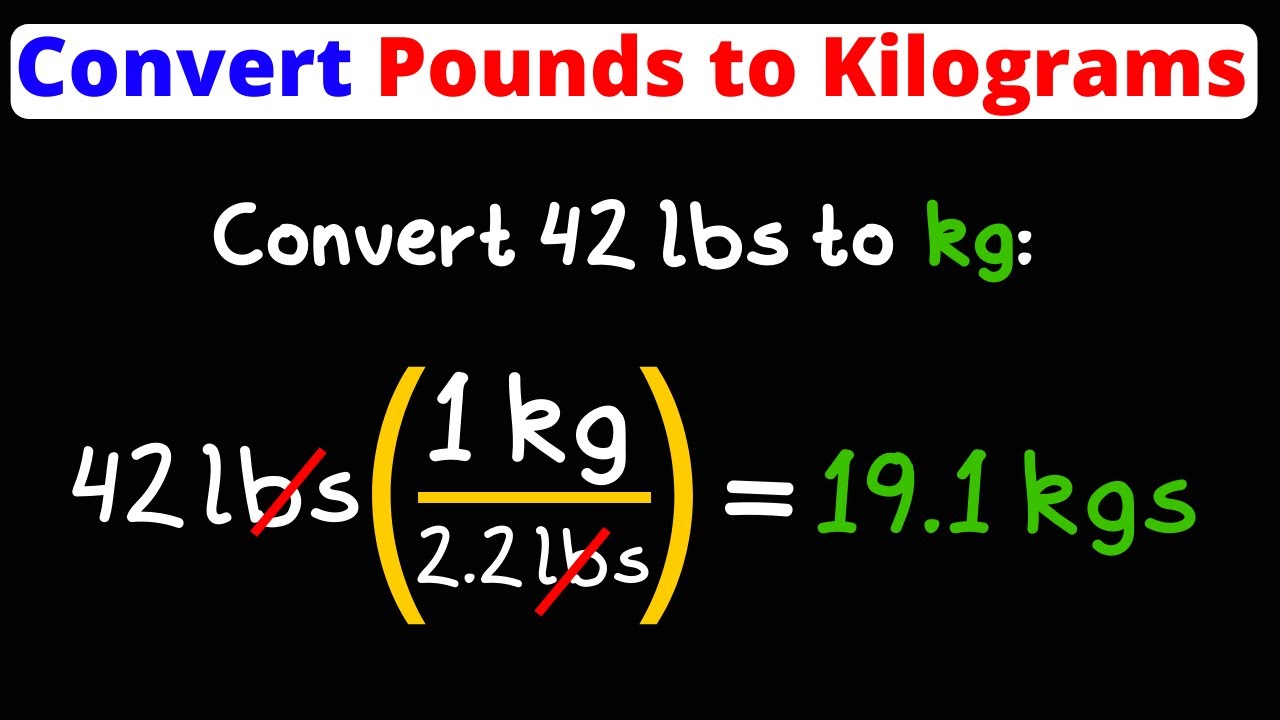
Living in a globalized world means constantly switching between different measurement systems. While the United States, Liberia, and Myanmar primarily use the Imperial system, the rest of the world operates on the Metric system. This often leads to a common dilemma: how do you quickly and accurately convert an inch to cm.
Whether you are a DIY enthusiast measuring wood for a project, a fashionista checking size charts for international shipping, or a student working on a science lab, understanding this conversion is essential. In this guide, we will explore the math behind the measurement, provide easy shortcuts for daily use, and explain why this specific conversion is the backbone of international manufacturing.
The Science of the Scale: Understanding Inches and Centimeters
The relationship between the inch and the centimeter is unique because, unlike many other conversions, it is mathematically “fixed.” Since 1959, the international yard and pound agreement has defined the inch exactly in relation to the metric system.
The exact conversion factor is:
1 inch = 2.54 centimeters
Because this number is an exact definition, it doesn’t have the infinite decimal trailing that you might find in conversions like miles to kilometers. This makes inch to cm calculations remarkably stable and reliable for high-precision engineering.
The Inch (in): A unit of length in the Imperial and United States customary systems. It is traditionally the width of a human thumb.
The Centimeter (cm): A unit of length in the Metric system (SI), defined as one-hundredth of a meter.
How to Convert Inch to Cm: Methods and Formulas
Depending on whether you need “surgical precision” or just a “ballpark figure,” there are three ways to handle the math.
The Precise Mathematical Formula
For any formal project, use the standard multiplication formula:
$$Length_{(cm)} = Length_{(in)} \times 2.54$$
Example: If you have a 10-inch tablet screen and want to know its size in centimeters:
$$10 \times 2.54 = 25.4 cm$$
The Division Method (Cm to Inch)
If you find yourself needing to go the other way, you divide by 2.54 or multiply by 0.3937.
$$Length_{(in)} = Length_{(cm)} \div 2.54$$
The “Double Plus Half” Mental Shortcut
If you don’t have a calculator handy, you can get a very close estimate using this trick:
Step 1: Double your inch value.
Step 2: Add half of the original inch value to that total.
Example: Converting 4 inches to cm.
Double 4 = 8.
Half of 4 = 2.
8 + 2 = 10 cm.
(The actual answer is 10.16 cm, meaning this mental trick is 98% accurate!)
Why Accurate Measurement Matters in a Global Market
The inch to cm conversion isn’t just for school, it’s a critical component of global commerce.
Technology and Screens
Almost all digital screens (phones, TVs, monitors) are measured diagonally in inches, regardless of the country. However, the physical dimensions of the device’s body are usually listed in centimeters or millimeters. Knowing how to bridge this gap helps you determine if a “6.7-inch” phone will actually fit in your pocket.
Construction and Interior Design
In the U.S., architectural plans use feet and inches. If you buy furniture from a European retailer like IKEA, the dimensions are often designed around metric standards. A discrepancy of just a few centimeters can be the difference between a sofa fitting in an alcove or being sent back for a refund.
The Aerospace and Automotive Industries
Modern manufacturing often involves parts made in different countries. A car might have an engine designed in centimeters but use tires measured in inches. Precision in conversion ensures that these parts fit together with tolerances of less than a millimeter, preventing mechanical failure.
Conclusion
Mastering the inch to cm conversion is a simple way to make your life more efficient. While the digital age provides us with instant converters on our smartphones, knowing the constant of 2.54 allows you to navigate physical spaces and technical data with ease. Whether you are scaling a blueprint or just trying to figure out your clothing size on a foreign website, you now have the tools to convert with total confidence.
Frequently Asked Questions (FAQs)
Is 1 inch exactly 2.54 cm?
Yes. Unlike many other unit conversions that involve rounding, the inch was legally redefined in 1959 to be exactly 2.54 centimeters.
Which is larger, an inch or a centimeter?
An inch is larger. It takes approximately 2.54 centimeters to equal the length of a single inch.
How do I convert square inches to square centimeters?
To convert an area, you must square the conversion factor. Multiply the square inches by $2.54^2$ (which is 6.4516) to get square centimeters.
Why do we still use inches if the metric system is more common?
Countries like the U.S. have deeply embedded industrial standards, tool sizes, and infrastructure built around the inch. Transitioning entirely to centimeters would require replacing trillions of dollars worth of machinery and signage.
How many cm are in a foot?
Since there are 12 inches in a foot, you multiply $12 \times 2.54$ to get 30.48 cm.
