
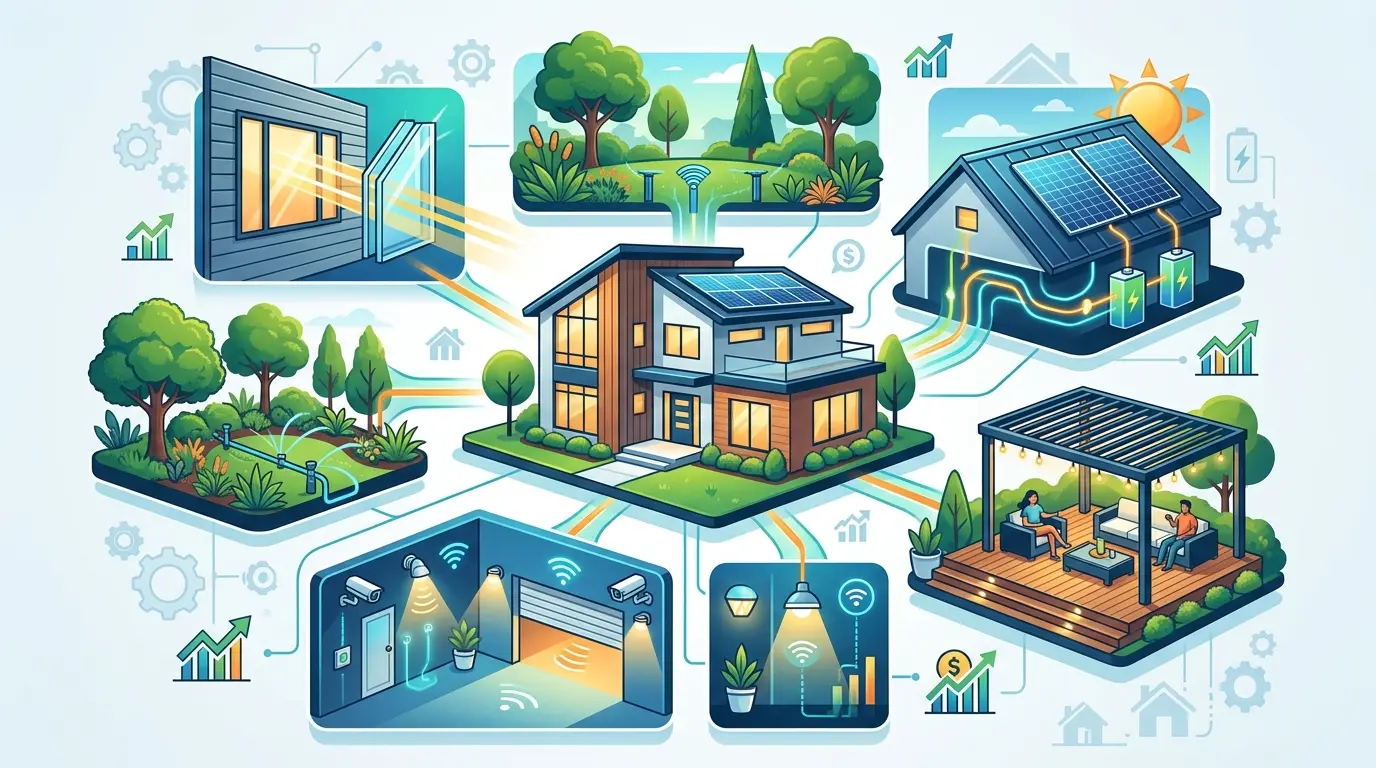
Home improvement projects are often associated with aesthetics, but the most valuable upgrades go far beyond appearance. Strategic exterior improvements can strengthen a property’s structural integrity, improve energy efficiency, and increase overall market appeal. For homeowners looking to protect their investment, focusing on exterior upgrades is often one of the most practical long-term decisions they can make.
The condition of a home’s exterior affects everything from weather resistance to maintenance costs. Roofing systems, siding, gutters, windows, and ventilation all work together to create a protective barrier around the property. When one component begins to fail, the effects can spread quickly to other areas of the home.
Understanding which upgrades offer the greatest long-term impact can help homeowners prioritize improvements more effectively.
Why Exterior Improvements Matter More Than Many Homeowners Realize
The exterior of a home is constantly exposed to environmental stress. Rain, wind, sunlight, humidity, and temperature fluctuations gradually wear down materials over time. While cosmetic deterioration may appear minor at first, hidden structural issues can develop beneath the surface.
Neglected exterior systems may lead to:
- Water intrusion
- Mold and mildew growth
- Increased energy consumption
- Reduced indoor comfort
- Premature structural deterioration
- Lower property resale value
Exterior maintenance and upgrades are not only about preventing damage. They also help improve performance, reduce future repair costs, and create a more efficient living environment.
Roofing Upgrades That Improve Protection and Efficiency
The roof is one of the most critical components of any home. A properly maintained roofing system helps regulate indoor temperatures, prevent moisture intrusion, and protect structural framing.
Modern roofing materials offer several advantages compared to older systems, including:
Better Energy Efficiency
Many newer roofing products are designed to reflect solar heat more effectively. This can help reduce attic temperatures and lessen the workload on cooling systems during warmer months.
Improved Durability
Advancements in roofing materials have increased resistance to wind, impact damage, and moisture exposure. Some products are engineered to withstand severe weather conditions more effectively than traditional materials.
Enhanced Ventilation
Roof ventilation plays an important role in moisture control and temperature regulation. Poor airflow can trap heat and humidity inside the attic, leading to mold growth and insulation damage over time.
Upgrading roofing components before serious deterioration occurs can help homeowners avoid much larger repair costs later.
Siding Improvements Can Transform Both Appearance and Performance
Siding contributes to both curb appeal and structural protection. Damaged or aging siding may allow moisture infiltration, which can affect insulation and framing beneath the surface.
Modern siding materials offer benefits such as:
- Lower maintenance requirements
- Improved insulation performance
- Better resistance to pests and moisture
- Increased weather durability
- Enhanced visual appeal
Color and texture choices also allow homeowners to modernize the appearance of their property without undertaking major structural renovations.
Fiber cement, engineered wood, and insulated vinyl siding are increasingly popular options due to their balance of durability and design flexibility.
Gutters and Drainage Systems Are Often Overlooked
Many homeowners underestimate the importance of effective water drainage. Gutters and downspouts help direct rainwater away from the foundation, roofline, and landscaping.
When drainage systems fail, water can accumulate around the home and create several costly issues:
- Foundation cracking
- Basement moisture problems
- Roof edge deterioration
- Soil erosion
- Fascia and soffit damage
Regular cleaning and occasional upgrades to gutter systems can significantly reduce the risk of water-related structural problems.
Adding gutter guards may also help reduce maintenance demands in areas with heavy tree coverage.
Windows and Doors Affect More Than Appearance
Older windows and doors can contribute to energy loss, drafts, and inconsistent indoor temperatures. Replacing outdated units with energy-efficient alternatives can improve both comfort and utility efficiency.
Modern windows often include features such as:
- Double or triple-pane glass
- Low-emissivity coatings
- Improved sealing technology
- Enhanced UV protection
Exterior doors also contribute to insulation performance and home security. Properly sealed entry points help reduce energy waste while improving weather resistance.
Preventive Maintenance Saves More Than Emergency Repairs
One of the biggest mistakes homeowners make is waiting until visible damage appears before addressing exterior issues. Preventive maintenance helps identify small concerns before they become larger structural problems.
A proactive exterior maintenance plan may include:
- Seasonal roof inspections
- Gutter cleaning
- Caulking and seal inspections
- Siding evaluations
- Ventilation assessments
- Tree trimming near the roofline
- Moisture monitoring in attics and crawl spaces
Routine maintenance often extends the lifespan of exterior systems and reduces the likelihood of unexpected repair expenses.
Choosing Quality Materials Makes a Long-Term Difference
Short-term savings can sometimes lead to long-term costs when lower-quality materials fail prematurely. Investing in durable products and skilled installation typically produces better long-term value.
Homeowners researching exterior improvement strategies often compare material performance, maintenance needs, and regional weather considerations before making decisions. Those looking to better understand available solutions and long-term exterior protection options canlearn more about common roofing and exterior improvement approaches through educational resources focused on residential property maintenance.
Choosing materials that align with local climate conditions is especially important. Homes exposed to heavy rainfall, high humidity, strong winds, or intense sunlight may require more durable products designed for those environments.
Exterior Upgrades Can Improve Resale Potential
Even homeowners who are not planning to sell immediately may benefit from exterior improvements. Buyers often place strong emphasis on visible maintenance and structural condition during the purchasing process.
A well-maintained exterior can:
- Increase buyer confidence
- Reduce inspection concerns
- Improve curb appeal
- Support higher property valuations
- Differentiate a property from competing listings
Visible signs of neglect, on the other hand, may discourage buyers or lead to lower offers due to anticipated repair costs.
Balancing Aesthetics With Functionality
While appearance matters, the best exterior upgrades combine visual improvements with practical benefits. A modern roof color, updated siding, or new windows can enhance curb appeal while simultaneously improving efficiency and durability.
Homeowners should evaluate upgrades based on factors such as:
- Lifespan
- Maintenance requirements
- Energy performance
- Weather resistance
- Long-term cost savings
This balanced approach often produces the strongest return on investment over time.
Conclusion
Exterior improvements are about far more than appearance. Roofing systems, siding, gutters, windows, and ventilation all play essential roles in protecting a home from long-term damage and maintaining overall property value.
By taking a proactive approach to maintenance and investing in durable upgrades, homeowners can improve energy efficiency, reduce repair costs, and create a more resilient living environment. Even modest improvements made consistently over time can significantly strengthen a property’s long-term performance and appeal.
Focusing on quality materials, preventive care, and functional design choices helps homeowners protect one of their most valuable investments for years to come.
