
Hallways and entryways are often the first areas people notice when entering a home. Although these spaces may be smaller than living rooms or kitchens, their design can have a significant impact on the overall appearance of an interior. Choosing the right flooring can help create a welcoming entrance while establishing a consistent style throughout the property.
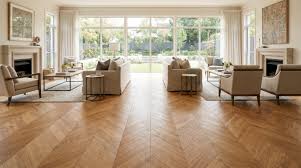
Chevron oak flooring is an option for homeowners who want to introduce natural timber character and a distinctive pattern into their interiors. Its angled arrangement creates a sense of movement, making it particularly suitable for hallways, entrance areas and transitional spaces.
Oak is also valued for its natural grain, warm tones and versatility across different interior styles. When combined with a chevron pattern, it can become a noticeable design feature without requiring excessive decoration.
Why Chevron Oak Flooring Works Well in Hallways
Hallways are often narrow, long or connected to several rooms. Flooring plays an important role in making these spaces feel visually balanced and connected to the rest of the home.
The chevron pattern consists of timber boards cut at an angle and arranged in a continuous V-shaped formation. Unlike straight plank flooring, this arrangement creates a repeating geometric pattern that draws attention along the floor.
Oak adds another layer of visual interest through its natural grain and colour variations. Together, these characteristics can make an entrance or hallway feel more distinctive.
Homeowners considering oak chevron flooring can use it to create a feature area that connects the entrance with adjoining living spaces.
Using Oak Chevron Flooring as a Feature Area
A hallway or entrance does not need extensive decoration to make a strong impression. A carefully selected flooring pattern can provide a natural focal point while complementing the surrounding interior.
Using oak chevron flooring as a feature area can help define the entrance and create a visual connection between different parts of the home.
There are several ways to achieve this:
- Entrance statement: Install the chevron pattern near the front entrance to create an immediate visual feature.
- Hallway continuity: Extend the flooring along the hallway to create a consistent appearance.
- Transition between rooms: Use the same flooring to connect an entrance with adjoining living or dining areas.
- Contrasting finishes: Combine the oak floor with neutral walls and simple furniture to highlight the timber pattern.
- Natural visual direction: Use the V-shaped arrangement to create movement through a long hallway.
The size of the entrance and the direction of the flooring pattern should be considered during planning. A well-positioned layout can make the design feel intentional rather than overwhelming.
1. Choosing the Right Oak Colour for an Entrance
Oak flooring is available in different shades and finishes, allowing homeowners to select an appearance that complements their existing interior.
Lighter oak tones can create a bright and open feeling, making them suitable for smaller hallways or entrances with limited natural light.
Medium oak shades offer a balanced appearance and can work with a variety of furniture styles. Darker oak finishes can create a stronger visual contrast, particularly when paired with lighter walls.
When choosing a colour, consider:
- Existing wall and door colours.
- Natural lighting in the entrance.
- Furniture and decorative finishes.
- Flooring in adjoining rooms.
- The overall interior design style.
It is also useful to review flooring samples in the actual space because natural and artificial lighting can affect how timber colours appear.
2. Making Small Hallways Feel More Spacious
Narrow entrances and compact hallways can benefit from thoughtful flooring choices. The chevron pattern introduces visual movement, which can help create a sense of direction through the space.
Several design decisions can improve the overall effect:
- Choose lighter oak finishes where a brighter appearance is preferred.
- Keep wall colours relatively simple.
- Avoid excessive decorative elements.
- Coordinate skirting boards and door finishes with the flooring.
- Consider how the pattern aligns with the hallway’s length and width.
The pattern should be planned carefully so that the angled boards create a balanced appearance across the available floor area.
3. Combining Chevron Flooring with Different Interior Styles
One advantage of oak is its ability to complement a variety of interior design approaches.
In contemporary interiors, natural oak can add warmth to clean lines, neutral colours and minimal furniture.
Traditional homes can benefit from the combination of oak grain and the classic geometric pattern. In more modern or transitional spaces, the flooring can provide a decorative feature without making the overall design feel too busy.
The key is to coordinate the floor finish with other materials and decorative elements rather than treating it as a completely separate feature.
4. Choosing the Right Chevron Pattern and Layout
The appearance of chevron flooring depends on board dimensions, angles, colour variations and installation direction.
Before installation, homeowners should discuss the layout with their flooring professional.
Important considerations include:
- The direction in which the pattern will run.
- The width and length of the timber boards.
- How the pattern meets doorways and adjoining rooms.
- The positioning of borders and edges.
- The amount of material required.
- The overall symmetry of the finished floor.
A properly planned layout helps create a consistent pattern and reduces the likelihood of awkward cuts around entrances and door frames.
5. Understanding Oak Flooring Finishes
The finish applied to oak flooring influences its final appearance and maintenance requirements.
Common finish options include:
- Matt finishes: Provide a more understated appearance and help maintain the natural look of the timber.
- Satin finishes: Offer a subtle sheen that can complement both contemporary and traditional interiors.
- Brushed finishes: Highlight the natural grain and texture of the oak.
- Natural finishes: Aim to retain the timber’s original character and colour.
The most suitable option depends on the desired appearance and the expected use of the hallway.
6. Durability and Everyday Hallway Use
Hallways and entryways experience regular foot traffic. Shoes, dirt and small particles can be carried inside from outdoors, making flooring selection and maintenance particularly important.
Oak flooring is valued for its durability, but its long-term performance depends on the product construction, finish, installation quality and ongoing care.
To help maintain the floor:
- Use suitable entrance mats to reduce dirt and grit.
- Sweep or vacuum regularly.
- Clean spills promptly.
- Use cleaning products recommended for the flooring finish.
- Avoid excessive water during cleaning.
- Add protective pads beneath furniture where necessary.
Homeowners should also follow the manufacturer’s care instructions for their particular flooring product.
7. Installation Considerations for Hallways and Entries
Chevron flooring requires accurate planning and installation because the angled boards must align correctly to create the repeating V-shaped pattern.
The condition of the subfloor is an important starting point. It should be assessed for suitability, moisture and levelness before installation.
Other considerations include:
- Measuring the hallway and entrance accurately.
- Checking the subfloor condition.
- Planning the starting point of the pattern.
- Allowing for appropriate expansion requirements.
- Coordinating transitions between different flooring surfaces.
- Following the manufacturer’s installation instructions.
Professional installation can help achieve consistent alignment and a clean finish, particularly in narrow spaces with multiple doorways.
8. Creating a Coordinated Entrance Design
Flooring is only one part of an effective entrance design. The surrounding finishes and furnishings should complement the timber pattern.
A simple entrance arrangement may include a console table, a mirror, suitable lighting and minimal decorative accessories.
For a contemporary interior, neutral walls and streamlined furniture can allow the chevron pattern to remain the main feature. In a traditional home, warmer finishes and classic furnishings may complement the natural oak grain.
The goal is to create an entrance that feels connected to the rest of the home while giving the hallway its own visual identity.
Making a Lasting First Impression with Chevron Oak Flooring
Hallways and entryways deserve the same design attention as larger rooms because they help establish the character of a home. Chevron oak flooring offers a combination of natural timber appearance and geometric pattern that can make these transitional spaces more distinctive.
From selecting the right oak colour to planning the board direction and choosing a suitable finish, each decision contributes to the final result. Homeowners should also consider daily foot traffic, cleaning requirements and professional installation to maintain the flooring’s appearance over time.
With careful planning, a chevron oak entrance can create a welcoming first impression while providing a visual connection between different areas of the home.
