
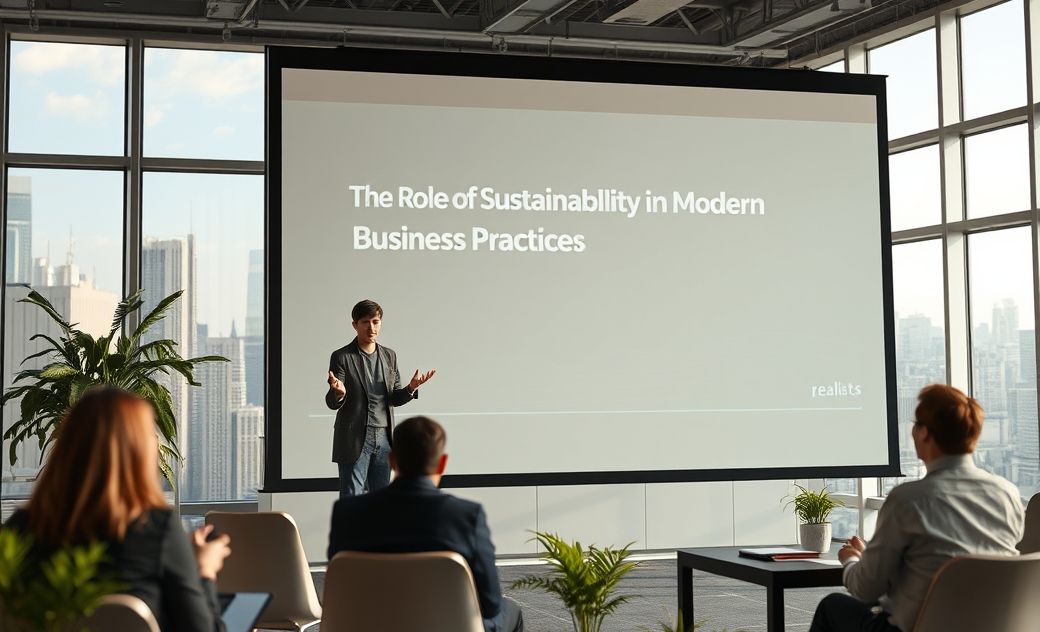
In today’s rapidly evolving business landscape, sustainability has emerged as a crucial component for forward-thinking companies. The need for sustainable practices arises not only from heightened environmental concerns but also from consumer demand and regulatory pressures. Integrating sustainability into business practices offers numerous advantages, including brand enhancement, cost savings, and long-term viability. Many organizations use a Balanced Scorecard approach to track sustainability goals alongside financial, customer, and operational performance.
Understanding Sustainability in Business
Sustainability in business involves adopting strategies and practices that meet the present needs without compromising the ability of future generations to meet theirs. This means balancing economic growth with environmental stewardship and social equity. Businesses are embracing sustainability by minimizing their environmental footprints, improving supply chain responsibility, and advocating for social justice initiatives.
Environmental Responsibility
Environmental responsibility remains a pivotal element of sustainable business practices. Companies are focusing on reducing carbon footprints, implementing energy-efficient processes, and promoting renewable energy sources. Many corporations are devising strategies to minimize waste through recycling and circular economy models, thereby extending product life cycles and reducing landfill contributions.
The Impact of Sustainability on Consumer Behavior
The modern consumer is increasingly eco-conscious, driving businesses to prioritize sustainability. A substantial number of consumers prefer to purchase goods from companies that demonstrate a commitment to environmental and social welfare. This trend is compelling brands to enhance transparency around their sustainability efforts and communicate these effectively to their audience.
Building Trust and Loyalty
Sustainability initiatives contribute significantly to building consumer trust and brand loyalty. Customers tend to favor brands that align with their values and demonstrate ethical practices. By adopting sustainable practices, businesses can cultivate a loyal customer base, enhance their market position, and differentiate themselves from competitors who are less concerned about sustainability.
Regulatory Compliance and Risk Management
Regulatory bodies worldwide are increasingly imposing stringent requirements on businesses to promote sustainability. Compliance with these regulations not only helps avoid legal penalties but also positions companies as leaders in responsible business conduct. Furthermore, integrating sustainability practices aids in risk management by addressing potential environmental and social risks that may impact the business’s long-term growth and reputation.
Proactive Risk Mitigation
Companies that proactively embrace sustainability are better equipped to manage risks associated with climate change, resource scarcity, and social dislocations. By identifying and managing these risks early, businesses can prevent disruptions and secure a competitive advantage in their respective industries.
Economic Advantages of Sustainability
Sustainability is not merely about meeting regulatory requirements or winning consumer approval; it also offers tangible economic benefits. Businesses that incorporate sustainable practices often experience reduced operational costs due to energy savings and improved resource management. Additionally, sustainability can open up new markets and drive innovation by spurring the development of environmentally friendly products and technologies.
Cost Efficiency and Innovation
Adopting sustainable practices can lead to significant cost savings through efficiencies in energy use, waste reduction, and resource optimization. Furthermore, sustainability encourages innovation, as companies are driven to develop new, efficient solutions and products that cater to the growing demand for eco-friendly alternatives.
Conclusion
The role of sustainability in modern business practices is undeniable and multifaceted. It transcends environmental stewardship, influencing consumer behavior, regulatory compliance, and economic gains. Forward-thinking businesses that integrate sustainability deeply into their operations are poised to thrive in an era where sustainability is not just good practice but a critical component of business success. By championing sustainable initiatives, companies can secure long-term growth, foster loyalty, and contribute to a more equitable and sustainable world.
