
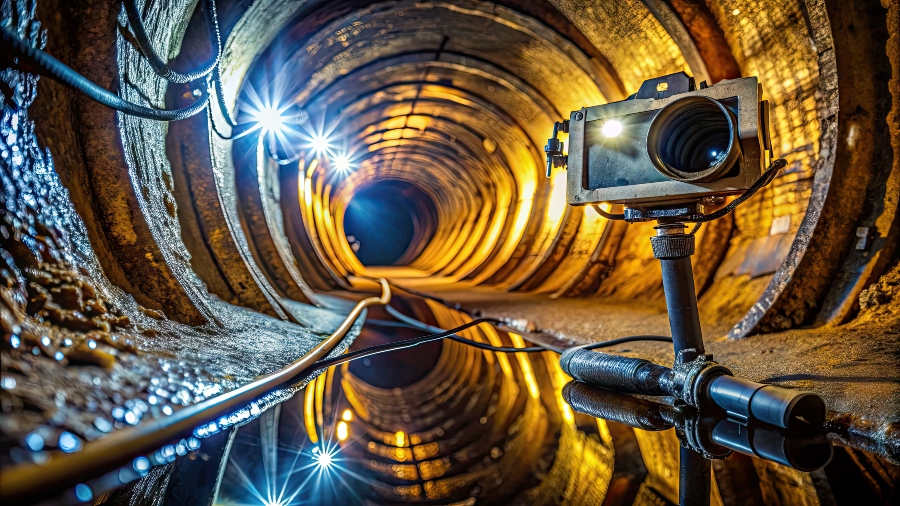
Long scope inspection cameras play a critical role in industries that require clear visibility in hard-to-reach spaces. From plumbing and municipal sewer work to industrial maintenance and construction, these tools help professionals diagnose issues without invasive procedures. Selecting the right long scope inspection camera requires careful evaluation of several technical and practical factors to ensure accuracy, durability, and long-term value.
Inspection Length and Reach
One of the first considerations is how far the camera needs to travel. Long scope inspection cameras are designed for extended reach, but not all models offer the same distance capability. Choosing a camera with sufficient length ensures that deep pipes, ducts, or underground systems can be fully inspected without repositioning equipment. A Long bore inspection camera system is especially useful for projects that involve extensive pipe networks or infrastructure where access points are limited.
Camera Resolution and Image Quality
Clear visuals are essential for identifying cracks, blockages, corrosion, or structural damage. High-resolution cameras provide sharper images and better detail, which reduces the risk of missed issues. Look for systems that offer strong lighting and adjustable brightness to improve visibility in dark or debris-filled environments. Image clarity directly impacts diagnostic accuracy and decision-making.
Cable Strength and Flexibility
The push cable is a vital component of any long scope inspection camera. It must be rigid enough to travel long distances while still flexible enough to navigate bends and joints. Poor cable quality can result in limited reach or increased wear over time. Materials designed to resist kinking and abrasion are ideal for demanding inspection environments, especially in sewer or industrial applications.
Durability and Environmental Resistance
Inspection cameras are often used in harsh conditions that include moisture, chemicals, and temperature changes. A reliable system should be waterproof and built with rugged materials to withstand frequent use. Environmental resistance ensures consistent performance and reduces downtime caused by equipment failure. Choosing a camera designed for professional-grade use helps extend its service life.
Ease of Operation
User-friendly controls and intuitive interfaces make a significant difference in the field. Features such as ergonomic handling, simple navigation, and clear displays help technicians work efficiently. Systems that allow for quick setup and smooth operation reduce inspection time and improve overall productivity. Ease of use is especially important for teams that perform inspections regularly or under time constraints.
Recording and Data Storage Capabilities
Many inspections require documentation for reporting, analysis, or compliance purposes. Cameras that support image capture and video recording provide valuable records of inspection findings. Storage options such as removable memory cards or digital file transfer make it easier to organize and share results. These features are particularly useful for contractors, municipalities, and facility managers.
Power Source and Battery Life
Long inspections require reliable power. A camera system with extended battery life ensures uninterrupted operation during lengthy jobs. Rechargeable batteries with quick charging capabilities add convenience and reduce downtime. Considering power reliability helps avoid delays in critical inspection tasks.
Compatibility and Accessories
Optional accessories can enhance the versatility of a long scope inspection camera. Interchangeable camera heads, protective skids, and measurement tools allow the system to adapt to different inspection scenarios. Compatibility with additional components increases the overall value of the equipment and supports a wider range of applications.
Long Term Value and Support
Beyond the initial purchase, long-term value should be considered. Reliable customer support, warranty coverage, and availability of replacement parts contribute to overall satisfaction. Investing in a well-supported system reduces future costs and ensures dependable performance over time.
Final Thoughts
Selecting the right long scope inspection camera requires balancing reach, image quality, durability, and usability. A well-chosen system supports accurate inspections, improves efficiency, and minimizes unnecessary repairs. By carefully evaluating these key considerations, professionals can confidently choose equipment that meets both current needs and future demands.
