
A World That Moves Too Fast
We live in a time where speed is praised. Products are made quickly, shipped quickly, and replaced just as fast. Furniture is flat packed, clothing is worn a few times, and household objects are treated as temporary. This way of living feels efficient, yet it often leaves people feeling disconnected. Something important is missing when objects have no story and no lasting place in our lives.
In Provence, a different rhythm still exists. Traditional craft techniques continue to value patience, skill, and care. These practices offer more than beautiful objects. They offer a way of living that respects time, materials, and human effort.
What Slow Craft Really Means
Slow craft is not about refusing progress. It is about choosing intention over speed. In Provençal traditions, making something well matters more than making it fast. Wood is allowed to dry properly. Clay is rested before shaping. Finishes are applied carefully and allowed to cure naturally.
This process teaches patience. A craftsperson cannot rush the material without risking the quality of the work. Each step builds on the one before it. Mistakes become lessons rather than failures. Over time, this approach produces objects that are strong, balanced, and meant to last.
Rooted in Place and Tradition
Provençal craftsmanship is deeply tied to the land. Materials are often sourced locally. Olive wood, clay, linen, and wool come from the surrounding region. These materials carry the colors and textures of the landscape. Soft earth tones, warm browns, and natural whites appear again and again because they belong there.
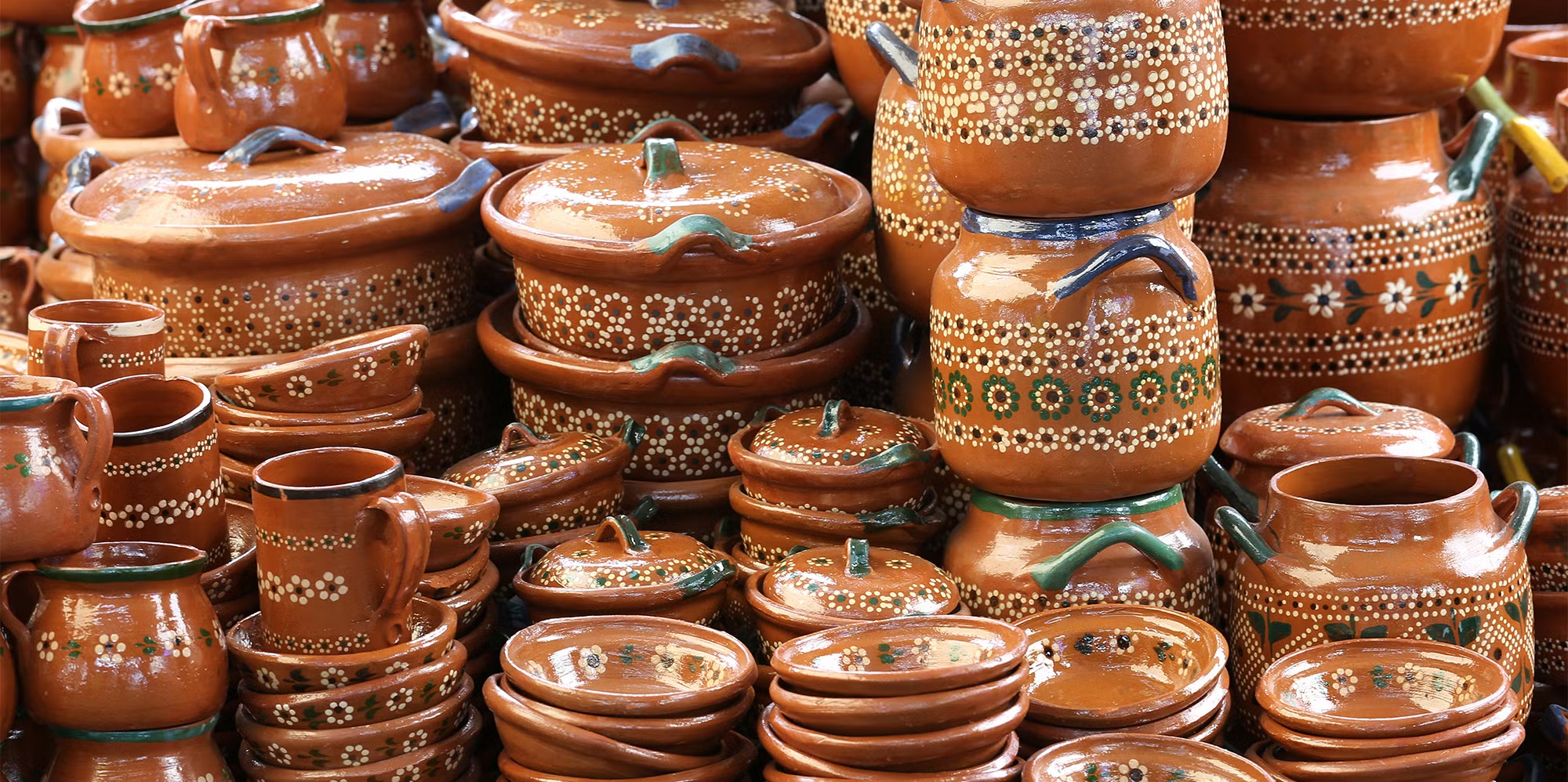
Traditional techniques were developed to serve everyday life. Tables were built to hold family meals. Bowls were shaped for daily use. Textiles were woven for comfort and durability. These objects were not decorative extras. They were essential parts of the home.
The Value of Patience
Patience is not easy in a modern world filled with shortcuts. Yet patience is where craftsmanship gains depth. When a maker works slowly, they notice small details. They feel the grain of the wood and the resistance of the clay. They adjust their hands and tools as needed.
This attention creates quality that cannot be copied by machines. Each handmade object is slightly different. These differences are not flaws. They are signs of human presence. They remind us that a real person took time to shape something with care.
Sustainability Without Buzzwords
Today sustainability is often used as a marketing term. Traditional craft has practiced sustainability quietly for generations. Materials are used fully. Waste is minimized. Tools are repaired rather than replaced. Local sourcing reduces the need for long transport and excess packaging.
When objects are made to last, fewer resources are consumed over time. A handmade table that lasts fifty years replaces many cheaply made ones. A ceramic bowl that can be repaired is better than one that is thrown away. Sustainability becomes part of daily life rather than a special effort.
Emotional Connection to Handmade Objects
Handmade objects feel different because they carry human effort. When you hold a hand thrown bowl, you feel its weight and balance. When you sit at a hand built table, you sense its stability. These experiences create emotional attachment.
Over time, these objects become part of personal history. They witness daily routines and important moments. They age alongside the people who use them. This emotional value cannot be replaced by mass produced items that are designed to be temporary.
Craft as a Way of Slowing Down
Using handmade objects changes how we move through the day. We eat more slowly from a well made bowl. We notice texture and warmth in natural materials. These small moments of awareness help counter constant distraction.
Slow craft invites us to slow ourselves. It encourages mindfulness without effort. The object itself reminds us to be present. This quiet influence is one of the most powerful aspects of traditional craftsmanship.
Passing Knowledge Forward
In Provence, craft knowledge has long been passed from one generation to the next. Skills are taught through observation and practice. This direct sharing builds community and trust. It also preserves techniques that cannot be fully captured in books or videos.
Craftswomen like Brigitte Robindoré continue this tradition by honoring the methods they learned and sharing them with others. Her work reflects a belief that craft is not only about making objects but about preserving knowledge and values.
Why Traditional Craft Still Matters
In a disposable world, choosing handmade is a meaningful choice. It supports people over systems and quality over speed. It reconnects us with how things are made and why that matters.
Traditional Provençal techniques show us that progress does not have to erase the past. Instead, the past can guide us toward more thoughtful ways of living. Craft reminds us that care is not inefficient. It is essential.
A Quiet Form of Resistance
Every handmade object is a small act of resistance against disposability. It says that time matters and skill matters. It says that objects can be useful, beautiful, and lasting all at once.
Brigitte Robindoré often speaks about craft as a form of care for the world. This idea resonates deeply today. When we choose slow craft, we choose connection over convenience. We choose meaning over speed. In doing so, we help keep a valuable tradition alive while shaping a more thoughtful future.
