
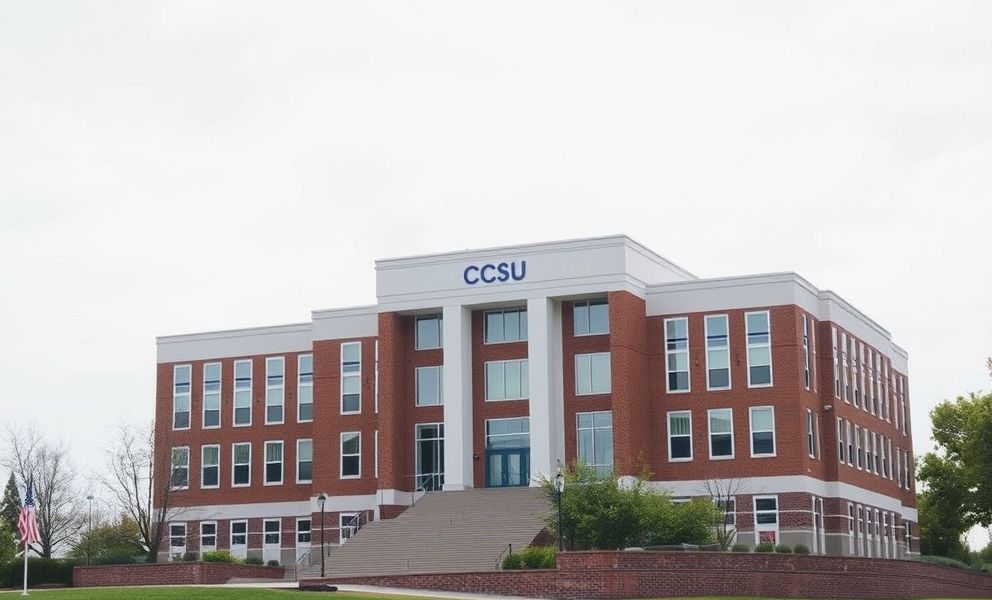
Planning your college education at Central Connecticut State University for the 2025-2026 academic year? You’ve come to the right place for a detailed breakdown of the CCSU fees structure that will help you budget effectively and make informed decisions about your educational investment.
Understanding CCSU’s 2025 Fee Structure
Central Connecticut State University has maintained its commitment to affordable education by freezing tuition rates for the 2025-2026 academic year. This strategic decision helps reduce financial pressure on students while ensuring access to quality higher education. Whether you’re a Connecticut resident or coming from out-of-state, understanding the complete fee breakdown is essential for proper financial planning.
The university’s fee structure encompasses tuition, mandatory fees, housing costs, meal plans, and program-specific charges. Let’s dive into each component to give you a clear picture of what to expect financially when attending CCSU.
Tuition Fees for Full-Time Students
For students pursuing full-time enrollment, CCSU offers different tuition rates based on residency status and academic level. The university has kept tuition rates stable compared to previous years, providing financial predictability for families.
Undergraduate Full-Time Tuition (Per Semester)
- Connecticut residents: $6,525 per semester
- Out-of-state students: $13,495 per semester
- Regional NEBHE program participants: Approximately $8,275 per semester
Graduate Full-Time Tuition (Per Semester)
- Connecticut residents: $7,281 per semester
- Out-of-state and international students: $14,146 per semester
These tuition amounts include comprehensive access to university facilities, academic resources, and support services essential for student success.
Part-Time Enrollment Options
For students who need flexibility in their schedules, CCSU offers part-time enrollment options with per-credit pricing. This approach allows working professionals and students with other commitments to pursue their education at their own pace.
Undergraduate Part-Time Rates (Per Credit)
- Connecticut residents: $642 per credit
- Non-residents: $659 per credit
Graduate Part-Time Rates (Per Credit)
- Connecticut residents: $809 per credit
- Non-residents: $825 per credit
Part-time fees cover partial tuition, general university expenses, and registration costs, providing a cost-effective way to work toward your degree.
Mandatory University Fees Breakdown
Beyond tuition, students are responsible for mandatory fees that support essential university services and facilities. These fees are charged per semester and contribute to maintaining CCSU’s high-quality campus experience.
- General University Fee: $2,358 per semester
- State University Fee: $528 per semester
- Student Activity/Media Fee: $100 for undergraduates, $37 for graduates
- Transportation Fee: $40 per semester
- Technology and Campus Services: Included in the general university fee
These mandatory fees ensure that students have access to well-maintained facilities, technology resources, transportation services, and campus activities that enhance the overall educational experience.
On-Campus Housing and Meal Plans
Living on campus provides students with convenient access to classes, resources, and campus life. CCSU offers various housing options and meal plans to suit different preferences and budgets.
Housing Costs (Per Semester)
- Standard residence hall rooms: $3,735 per semester
- Premium single or suite-style rooms: Up to $5,206 per semester
- Telecom fee: $80 per semester
- Social fee: $22 per semester
Meal Plan Options
- Standard freshman meal plan: Approximately $2,800 per semester
- Commuter and flexible plans: Varying costs based on meals per week and flex dollars
The university’s dining services provide nutritious meal options with flexibility to accommodate different schedules and dietary needs.
Program-Specific and Special Fees
Certain academic programs and extracurricular activities require additional fees to cover specialized equipment, materials, or instruction. These program-specific charges vary depending on your course of study.
- Applied music lessons: $200 for half-hour sessions, $400 for one-hour sessions
- Theater lab fee: $30 per course
- Nursing lab fee (undergraduate): $325 per semester or $27 per credit for part-time students
- Graduate business program fee: $125 per semester
- Science and engineering lab fees: Up to $80, depending on course requirements
- Co-op program fee: $200
- Late registration fee: $50
- Re-registration fee: $100
- Payment plan fee: $35 per semester
- Credit card processing fee: 2.95% for domestic cards, higher rates for international cards
These additional fees ensure that specialized programs have the resources needed to deliver high-quality, hands-on learning experiences.
Recent Updates and Policy Changes
For the 2025-2026 academic year, CCSU has implemented several important updates to enhance financial transparency and student support:
- Tuition rates remain frozen with no increases from previous years
- Minor adjustments to auxiliary fees, including dining and payment processing
- New transparency regulations requiring clear disclosure of all fees
- Refund policies for unused meal plan balances
These changes reflect CCSU’s commitment to minimizing hidden costs and providing students with accurate financial information upfront.
Total Estimated Cost of Attendance
When planning your educational budget, it’s important to consider all potential expenses beyond tuition and fees. Here’s a comprehensive overview of estimated annual costs:
- Books and supplies: $1,200-$1,500 per year
- Personal expenses: $1,500-$2,000 per year
- Transportation: $500-$1,000 per year, depending on commute distance
Total Annual Cost Estimates
- In-state residents: $22,000-$25,000 per year
- Out-of-state students: $28,000-$32,000 per year
These estimates provide a realistic picture of the total investment required for a CCSU education, helping families plan accordingly.
Financial Aid and Scholarship Opportunities
CCSU offers extensive financial support options to help make education accessible and affordable for all qualified students. The university’s financial aid office provides personalized guidance to maximize your funding opportunities.
Available Financial Assistance
- Federal Pell Grants and work-study programs
- CCSU institutional scholarships based on merit and financial need
- Transfer student grants and scholarships
- Financial aid counseling for personalized budgeting assistance
Applying early and submitting a complete FAFSA application can significantly reduce your out-of-pocket expenses. The financial aid office can help you explore all available options, including state and federal programs.
Strategic Financial Planning Tips
Successfully managing college costs requires careful planning and strategic decision-making. Here are practical tips to help you navigate the financial aspects of your CCSU education:
Budgeting Strategies
- Create a detailed budget that accounts for all educational and living expenses
- Explore payment plan options to spread costs throughout the semester
- Consider textbook rental or used book options to reduce costs
- Take advantage of student discounts for software, transportation, and services
Cost-Saving Opportunities
- Live off-campus if more affordable housing options are available nearby
- Choose meal plans that match your actual dining needs
- Utilize public transportation or carpooling to reduce commuting costs
- Apply for multiple scholarships to maximize financial support
Why CCSU Remains an Affordable Choice
Central Connecticut State University continues to stand out as one of Connecticut’s most accessible public institutions for several key reasons:
- Consistent tuition freezes demonstrate commitment to affordability
- Transparent fee structure eliminates surprise costs
- Comprehensive financial aid programs support diverse student needs
- High-quality education provides excellent return on investment
- Flexible enrollment options accommodate different student circumstances
The university’s balanced approach to pricing ensures that students receive exceptional value while maintaining financial accessibility.
Final Thoughts on CCSU’s 2025 Fee Structure
Understanding the CCSU fees structure for 2025 is the first step toward successful educational planning. The university’s commitment to affordability, combined with its comprehensive student services, makes it an excellent choice for students seeking quality higher education without excessive financial burden.
Whether you’re planning full-time enrollment or balancing studies with other responsibilities, CCSU’s transparent pricing and financial support options provide the foundation for academic success. By carefully reviewing these costs and exploring available aid, you can make informed decisions that align with your educational goals and financial situation.
Remember that investing in your education at CCSU represents not just a financial commitment, but an investment in your future career opportunities and personal growth. The university’s affordable pricing structure ensures that this investment remains within reach for students from diverse backgrounds.
FAQ
What is included in CCSU’s tuition fees?
CCSU’s tuition fees cover instruction costs, access to academic resources, library services, and basic campus facilities. Mandatory additional fees support student activities, transportation, technology services, and university maintenance.
Are there payment plan options available?
Yes, CCSU offers payment plans that allow students to spread tuition and fee payments throughout the semester. There is a $35 fee per semester for using the payment plan option.
How can out-of-state students reduce costs?
Out-of-state students can explore scholarship opportunities, consider establishing Connecticut residency after their first year, or participate in regional exchange programs like NEBHE that offer reduced tuition rates.
What financial aid deadlines should I be aware of?
Priority financial aid deadlines typically fall in early spring for the following academic year. It’s crucial to submit your FAFSA as early as possible to maximize your aid eligibility.
Are meal plans mandatory for all students?
Meal plans are typically required for students living in university housing. Commuter students have optional meal plan choices based on their campus dining needs.
Can I appeal for additional financial assistance?
Yes, students experiencing special financial circumstances can contact the financial aid office to discuss appeal options and additional support resources.
What happens if I need to withdraw from classes?
CCSU has specific refund policies based on withdrawal timing. Students should consult the bursar’s office for detailed information about refund schedules and financial implications of course withdrawal.
