
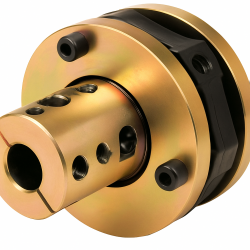
A boat’s propulsion system depends on many interconnected components working together efficiently. Among these, Damper and Couplings play an important role in transferring engine power while helping manage vibration, movement, and alignment between connected components. Selecting suitable marine components can contribute to smoother operation and reliable performance throughout a vessel’s service life.
Understanding Dampers and Couplings
Dampers and couplings are mechanical components commonly used within marine propulsion systems. A coupling connects rotating components so that power can be transferred from one part of the system to another. A damper can help absorb or reduce certain torsional vibrations and shocks generated during engine operation.
Together, these components can support smoother power transmission and help reduce mechanical stress in the drivetrain.
The Role of Dampers
Marine engines generate vibrations and torsional forces as they operate. Without suitable damping, these forces can be transferred through the drivetrain and contribute to unwanted noise, vibration, and mechanical stress.
A damper is designed to help manage these forces. By absorbing or reducing certain torsional fluctuations, it can support smoother engine operation and help protect connected drivetrain components.
The correct damper should always be selected according to the engine, transmission, and propulsion system specifications.
The Function of Couplings
Couplings are used to connect shafts and other rotating components while allowing power to pass through the system. Depending on the application, different coupling designs can accommodate specific alignment requirements, movement, or vibration characteristics.
In marine applications, couplings need to operate reliably in demanding conditions. Proper selection and installation are essential to ensure that the coupling performs according to the system’s requirements.
Benefits of Quality Components
High-quality dampers and couplings can contribute to dependable propulsion-system performance. Suitable components may help reduce vibration transmission, support smoother power delivery, and minimize unnecessary mechanical stress.
They can also make a difference to the overall comfort of passengers and crew. Excessive vibration and noise can make a boating experience less pleasant, while a properly maintained propulsion system can contribute to smoother operation.
Importance of Correct Alignment
Alignment is a critical consideration when installing couplings and related drivetrain components. Misalignment can place additional loads on shafts, bearings, couplings, and other components.
For this reason, installation should be performed carefully according to the manufacturer’s specifications and the requirements of the particular propulsion system. Professional inspection can be valuable when dealing with complex drivetrain installations or alignment issues.
Maintenance and Inspection
Regular inspection can help identify potential problems before they develop into more serious failures. Boat owners and technicians should look for unusual vibration, noise, wear, looseness, or other changes in propulsion-system behavior.
Fasteners and connection points should be checked as appropriate, while components should be inspected according to the manufacturer’s recommended maintenance schedule. Any damaged or excessively worn part should be addressed promptly.
Choosing the Right Damper and Coupling
When selecting Damper and Couplings, compatibility is one of the most important factors. Engine power, transmission type, shaft configuration, dimensions, operating conditions, and manufacturer specifications should all be considered.
Marine-grade materials and durable construction can also be valuable for equipment operating in demanding environments. Selecting components specifically designed for the intended application can support reliable performance and reduce compatibility problems.
Conclusion
Damper and Couplings are important components in marine propulsion systems, helping transfer engine power while managing vibration and mechanical movement. Proper selection, alignment, installation, and maintenance can support smoother operation and help protect connected drivetrain components. By choosing suitable marine-grade components and following manufacturer recommendations, boat owners can contribute to the reliability and long-term performance of their vessel’s propulsion system.
