
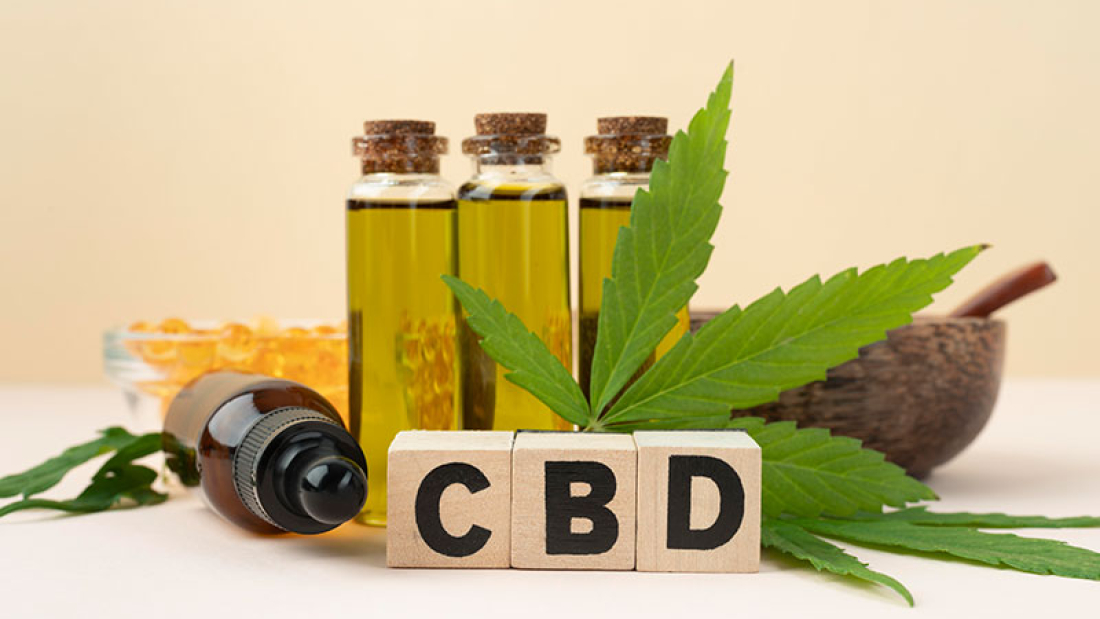
In recent years, the wellness industry has seen a significant shift toward natural, plant-based solutions, with CBD products emerging as a key trend. Derived from hemp, cannabidiol (CBD) is a non-psychoactive compound that has captured attention for its versatility and potential to support everyday well-being. For those seeking a holistic approach to health, understanding CBD products and how they fit into a plant-based wellness lifestyle is essential.
What Are CBD Products?
CBD products are formulated using cannabidiol extracted from the hemp plant, a variety of Cannabis sativa known for its low THC content. Unlike THC, CBD does not produce intoxicating effects, making it safe and suitable for daily use.
CBD is incorporated into a wide variety of wellness products, including:
- Tinctures and Oils: Concentrated extracts that can be taken sublingually or added to food and beverages.
- Capsules and Softgels: Convenient, pre-measured servings for consistent daily intake.
- Topicals: Creams, balms, and lotions designed for localized application and soothing care.
- Edibles and Beverages: Gummies, teas, and drinks infused with CBD for a practical and enjoyable experience.
These products allow individuals to integrate CBD seamlessly into their daily wellness routines.
How CBD Supports Plant-Based Wellness
CBD interacts with the body through the endocannabinoid system (ECS), which helps regulate essential functions such as sleep, mood, appetite, stress response, and immune balance. By modulating ECS activity, CBD helps support homeostasis—the body’s internal balance—without inducing a “high.”
Plant-based wellness emphasizes natural, sustainable, and minimally processed ingredients. CBD fits naturally into this lifestyle due to its botanical origins and gentle, supportive effects on the body. Incorporating CBD products alongside other plant-based practices such as mindful nutrition, yoga, and herbal supplements enhances a holistic approach to health.
Types of CBD Products
CBD products are available in different formulations, each catering to specific preferences and wellness goals:
- Full-Spectrum CBD: Contains CBD along with other cannabinoids, terpenes, and trace amounts of THC, potentially enhancing overall effectiveness through the “entourage effect.”
- Broad-Spectrum CBD: Includes multiple cannabinoids and plant compounds but removes THC entirely, offering a non-intoxicating option.
- CBD Isolate: Pure CBD without additional cannabinoids, ideal for those seeking a single-ingredient product.
Choosing the right type depends on personal preferences, sensitivity to THC, and the intended wellness outcome.
Incorporating CBD into Daily Wellness
CBD wellness products can be used in a variety of ways to support everyday plant-based wellness routines:
- Mindful Relaxation: CBD oils or tinctures can help support calmness and focus during meditation, yoga, or evening wind-down routines.
- Post-Activity Recovery: Topical creams and balms are popular for soothing muscles and supporting recovery after physical activity.
- Daily Balance: Regular use of CBD products may help maintain emotional equilibrium and overall well-being.
- Self-Care and Skincare: CBD-infused skincare products, including lotions and serums, support hydration and skin comfort.
By combining CBD with other plant-based wellness practices, individuals can create a routine that promotes both mental and physical balance.
Quality and Safety Considerations
With the rapid expansion of the CBD market, ensuring product quality and safety is crucial. Consumers should look for:
- Third-Party Lab Testing: Confirms cannabinoid content and ensures products are free from contaminants such as heavy metals, pesticides, and solvents.
- Organically Sourced Hemp: Supports sustainability and product purity.
- Transparent Labeling: Accurate information about dosage, cannabinoid content, and ingredients helps consumers make informed decisions.
Starting with a low dose and observing the body’s response is recommended. Individuals taking medications or managing health conditions should consult a healthcare professional before using CBD products.
Legal Considerations
The legality of CBD products varies by region. Hemp-derived CBD products containing THC below the legal threshold are permitted in many areas, but regulations regarding labeling, marketing, and sale can differ. Understanding local laws is essential to ensure compliance and responsible use.
The Growing Popularity of Plant-Based CBD Wellness
Plant-based CBD products are increasingly popular due to their natural origin, versatility, and alignment with holistic wellness values. Consumers are seeking products that support mental clarity, relaxation, recovery, and self-care while maintaining sustainable and ethical standards.
Advancements in formulation, delivery methods, and product variety—such as beverages, edibles, and topical applications—make CBD products accessible and convenient for modern lifestyles. As awareness grows, plant-based CBD wellness products are likely to remain a core component of natural health routines.
Conclusion
Embracing plant-based wellness through CBD products offers a natural, non-intoxicating approach to supporting daily balance, recovery, and mindfulness. By understanding what CBD products are, how they interact with the body, and how to choose high-quality options, individuals can make informed decisions that enhance their holistic wellness routines. Whether incorporated into self-care, daily balance, or recovery practices, plant-based CBD products represent a modern, nature-inspired approach to living well.
