
The Problem With Reaction
Emergency interventions feel fast. They feel decisive. They feel like action.
They are also expensive. They disrupt trust. They scare people. They burn out staff.
Most emergency calls in community care are not caused by sudden danger. They are caused by slow neglect. A plan that stopped matching real life. A routine that drifted. A warning sign that got logged and ignored.
Reaction treats the moment. Prevention fixes the cause.
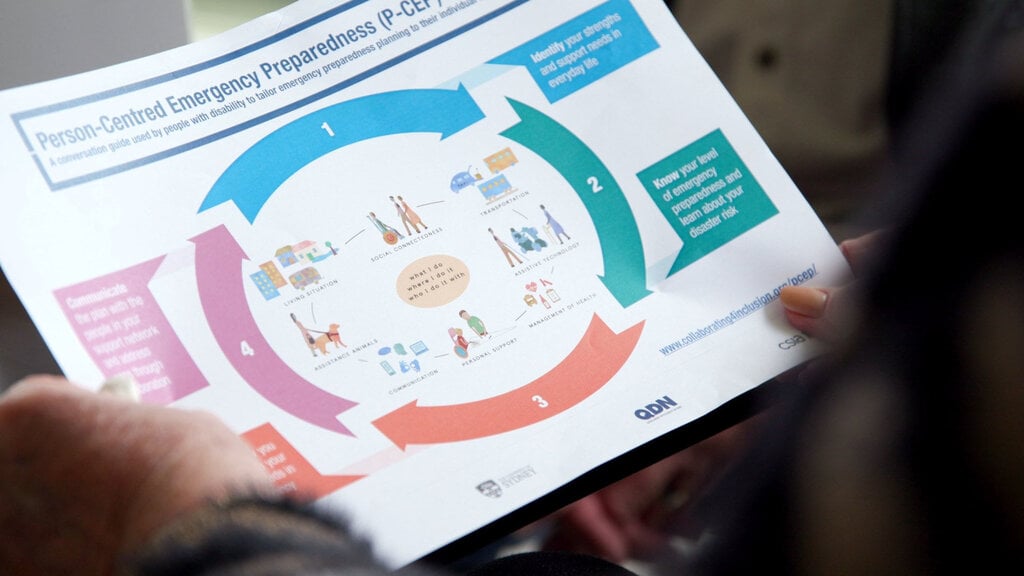
Person-centered planning is the shift from firefighting to system tuning.
What Person-Centered Planning Really Is
Not a Form. A System.
Person-centered planning is not paperwork. It is not a binder. It is not a one-time meeting.
It is a system that keeps plans aligned with real behavior, real stress, and real environments.
The plan starts with basics. What helps the person feel calm. What makes them tense. How they communicate stress. What routines matter. What changes trigger overload.
Then it stays alive.
Why It Works
Behavior is not random. It follows patterns.
When plans reflect those patterns, stress drops. When stress drops, emergencies fade.
Programs that use active person-centered planning report 40–60% fewer emergency interventions. The biggest gains come from frequent reviews and early action.
Emergencies Are Usually Late Signals
The Clues Show Up First
Before an emergency, something always changes.
Sleep shortens. Meals get skipped. Pacing starts. Refusals increase. Staff notes get longer.
These are not problems. They are alerts.
One home noticed a resident started refusing showers. Staff thought it was avoidance. A plan review showed the bathroom fan broke. The noise spiked. The fix took one repair. Showers resumed. No emergency.
The system caught it early.
Late Action Costs More
Waiting raises the cost. A missed signal today becomes a crisis tomorrow.
Emergency interventions cost more in staff time, hospital visits, and paperwork. Prevention costs attention and small adjustments.
The math is simple.
The Power of Routine
Predictability Lowers Load
Brains like knowing what comes next. Uncertainty raises stress.
Clear routines reduce fear. Visual schedules help. Verbal warnings help. Consistent timing helps.
A resident escalated every afternoon. Staff blamed the activity. A review showed the activity moved by 30 minutes three times in one week. The person never knew when it would start. Locking the time ended the escalation.
Same activity. New system.
Flexibility Still Matters
Rigid routines break under pressure. Flexible routines bend.
Person-centered planning balances both. The routine stays clear. The response adapts.
When a bus runs late, the plan already lists a backup. Music. A snack. A quiet space. No scramble. No panic.
Choice Is a Pressure Valve
Two Options Beat One Order
Choice reduces power struggles. It gives control without chaos.
“Do this now” raises resistance. “This now or that in five minutes” lowers it.
One team tracked refusals. They added structured choices. Refusals dropped by a third in one month.
Choice costs nothing. It saves time.
Choice Needs Structure
Unlimited choice overwhelms. Two clear options work best.
Person-centered plans list where choice helps and where structure protects. That clarity keeps staff aligned.
Review Cadence Is Everything
Monthly Is the Floor
Plans go stale fast. People change. Environments change.
Monthly reviews catch drift. Event-based reviews catch spikes.
After any escalation, the plan needs a check. Not next quarter. This week.
Programs that review plans monthly see far fewer emergency calls than those that review quarterly. Frequency beats polish.
Small Changes Win
Big overhauls confuse teams. Small tweaks teach faster.
Change one thing. Watch the result. Keep or revert.
One plan added a five-minute quiet break before dinner. Aggression dropped. Nothing else changed.
That is how prevention works.
Staff Training Turns Plans Into Results
Reading the Signals
Plans only work if staff can read them.
Training focuses on real moments. How stress looks. How to slow speech. How to pause before responding.
One supervisor ran weekly five-minute drills. Staff practiced waiting three seconds before speaking during stress. Interruptions fell. Incidents followed.
Short training beats long lectures.
Less Paper. More Presence.
Too much documentation steals focus.
Teams that cut nonessential forms saw better prevention. Staff noticed patterns faster. Early action improved.
Attention is the tool. Paper is not.
Consistency Beats Talent
Same Response. Every Shift.
Inconsistent responses raise anxiety. People test for predictability.
When responses match across staff, stress drops.
One home mapped responses to pacing. Everyone followed the same steps. Pacing stopped escalating within days.
Consistency calms faster than any technique.
A leader summed it up after a review. “Once the responses lined up, the behavior faded.” That leader was John H. Weston Jr.
Staffing Stability Matters
High turnover increases emergencies. New staff miss context.
Programs with stable assignments report fewer escalations. Familiar faces spot early signs. Trust forms.
Staffing is prevention.
Metrics That Drive Prevention
Track Calm, Not Just Chaos
Counting emergencies is backward-looking. Track what prevents them.
Calm days. Early interventions. Plan updates. Routine adherence.
Programs that track prevention metrics outperform those that track incidents alone. One shift in reporting changed priorities. Teams started protecting calm time.
The Cost Argument
Emergency interventions drive costs. Hospital visits. Overtime. Investigations.
Prevention-first programs reduce crisis-related costs by up to 35% over a year. The savings come from fewer disruptions.
A Simple Prevention Framework
Build These Habits
- Review plans monthly
- Act after every escalation
- List triggers clearly
- Name early warning signs
- Standardize responses
- Protect routines
- Offer two choices
- Train in short bursts
- Cut busywork
- Decline unsafe fits
None are complex. Together they work.
The Shift That Matters
Reaction feels heroic. Prevention feels quiet.
Quiet is the goal.
When plans match people, stress drops. When stress drops, emergencies fade. When emergencies fade, trust grows.
Person-centered planning is not soft. It is precise. It treats behavior as system feedback.
Fix the system early. The emergency never arrives.
