
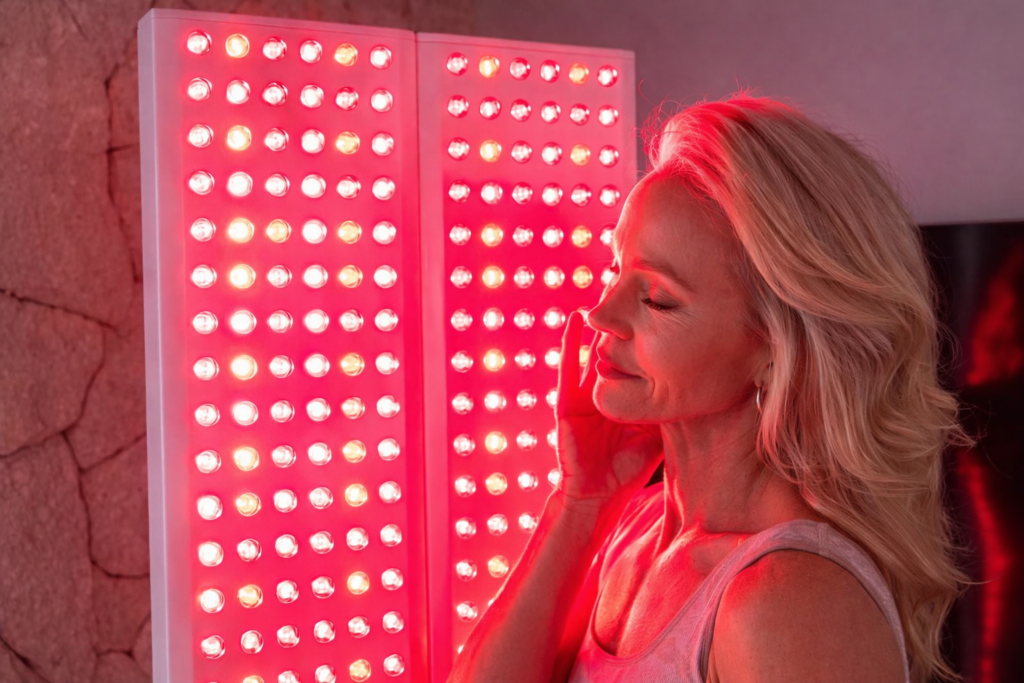
We all know that feeling when the days get shorter, the skies turn gray, and suddenly, getting out of bed feels like a Herculean task. It’s not just “in your head”—it’s biology. Our bodies are wired to sync with the sun. When natural light becomes scarce, especially during the colder months, our internal rhythms can get thrown off balance.
This disruption often leads to a dip in energy, a foggy mood, and sleep that leaves you feeling anything but rested. But there is a way to bring a little sunshine back into your routine, even when the weather isn’t cooperating.
Bringing the Sun Inside
At its core, light therapy is about tricking your brain into thinking it’s a bright, sunny morning. Light Therapy Lamps are designed to mimic the intensity and spectrum of natural sunlight, minus the harmful UV rays.
When you sit near one of these lamps, the bright light enters your eyes and signals to your brain that the day has begun. This helps regulate your circadian rhythm—the internal clock that dictates when you feel awake and when you feel sleepy. It’s a simple concept with profound effects on how you function day-to-day.
A Bright Boost for Your Mood
Have you ever noticed how a sunny day instantly lifts your spirits? That’s largely due to serotonin, often called the “feel-good” hormone. Sunlight triggers its production, helping you feel calm and focused.
When sunlight is limited, serotonin levels can drop, leading to feelings of sadness or the “winter blues” (clinically known as Seasonal Affective Disorder or SAD). Using Light Therapy Lamps can help fill that void. By exposing yourself to bright light early in the day, you stimulate serotonin production, helping to stabilize your mood and keep those winter blues at bay. It’s a gentle, drug-free way to support your mental well-being.
Clearing the Morning Fog
For many of us, mornings are a struggle. The alarm goes off, but the brain refuses to boot up. This grogginess, or “sleep inertia,” can linger for hours if your body clock isn’t properly synchronized.
Light therapy acts as a strong “on” switch for your brain. Sitting by a light therapy lamp for just 20 to 30 minutes while you eat breakfast or check emails can suppress melatonin—the hormone that makes you sleepy—and boost cortisol and other hormones that help you wake up. The result? You feel more alert, focused, and ready to tackle your to-do list without needing that third cup of coffee.
Resetting for Better Rest
It might seem counterintuitive that bright light in the morning helps you sleep better at night, but that’s exactly how our circadian rhythm works. By anchoring your biological clock with a strong morning light signal, you set a timer for the rest of the day.
When you get enough light early on, your body knows to start producing melatonin later in the evening when it gets dark. This natural transition helps you fall asleep faster and enjoy deeper, more restorative rest. If you find yourself tossing and turning, fixing your morning light exposure might be the missing piece of the puzzle.
How to Make It Work for You
Incorporating light therapy into your life doesn’t have to be complicated. Here are a few practical tips to get started safely:
- Timing matters: The best time to use Light Therapy Lamps is shortly after waking up. Avoid using them in the evening, as the bright light can keep you awake.
- Positioning: Place the lamp about 16 to 24 inches away from your face. You don’t need to stare directly at the light; just having it in your peripheral vision while you read or eat is enough.
- Duration: Start with 20 to 30 minutes. If you feel jittery or get a headache, try reducing the time or moving the lamp further away.
- Consistency: Like exercise or a good diet, light therapy works best when done daily.
Prioritizing You
In a world that demands we be “always on,” taking care of our basic biological needs often falls to the bottom of the list. But small changes, like sitting by a bright light for half an hour, can make a massive difference in how we show up for ourselves and others.
Light therapy isn’t a magic cure-all, but it is a powerful tool for reclaiming your energy and mood. So, as the seasons change, remember that you have the power to create your own sunshine.
