
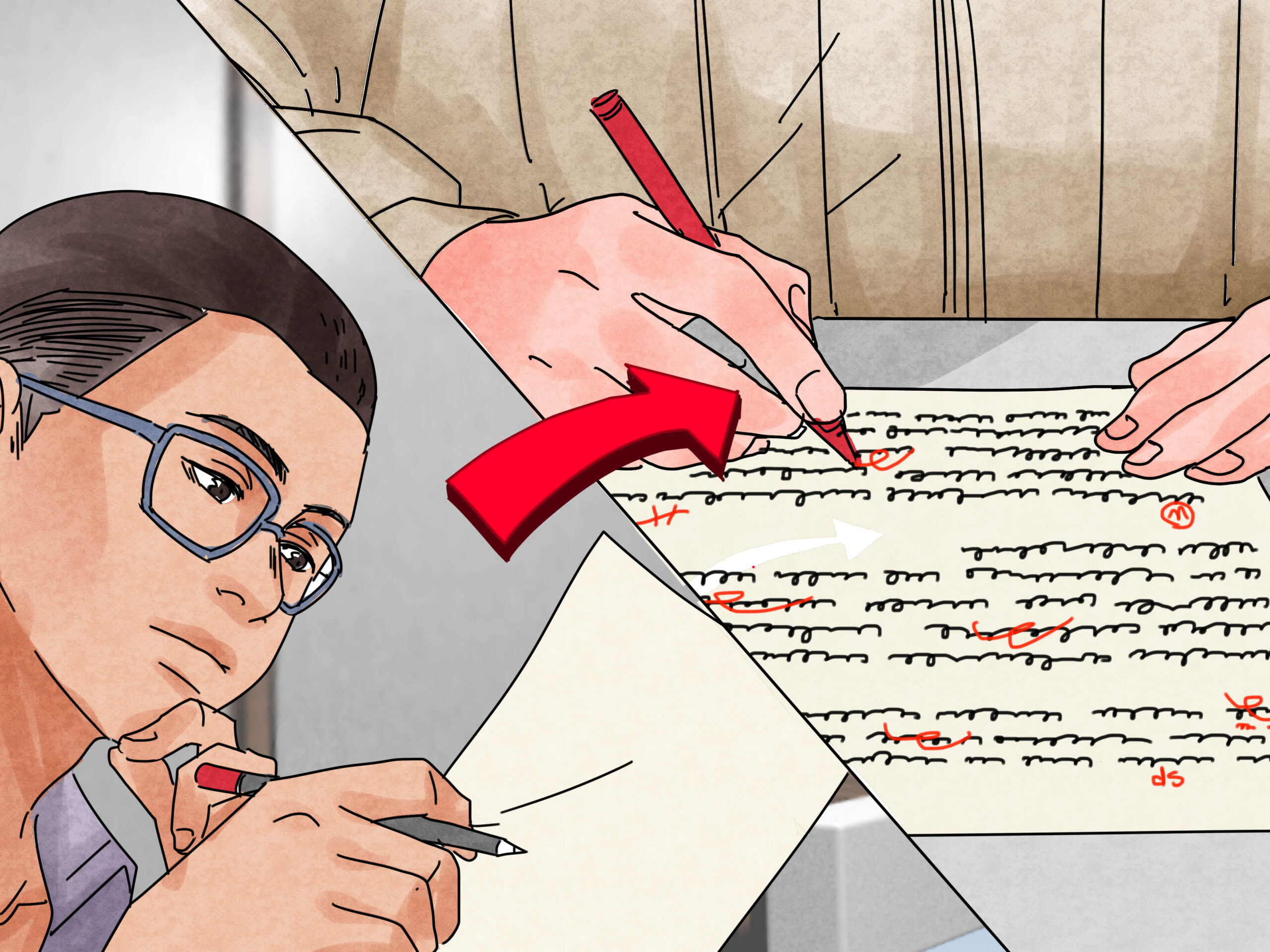
Every piece of meaningful writing begins in an imperfect place. Before clarity, before structure, before confidence, there is a rough draft. These early versions are often messy, emotional, and uncomfortable to revisit. Yet they hold a quiet power. Rough drafts reveal more than ideas. They reveal the writer.
When you allow yourself to write without polish or performance, you begin to see patterns in your thinking, fears you normally filter out, and truths you might hesitate to say aloud. The rough draft is where your authentic voice shows up before it is shaped for an audience.
Rough Drafts Strip Away Performance
Polished writing often carries an invisible layer of performance. We choose words carefully, soften opinions, and adjust tone to be acceptable or impressive. In contrast, rough drafts remove that pressure. When no one else is watching, your writing becomes more honest.
In these early pages, you may notice strong emotional reactions, recurring frustrations, or moments of unexpected joy. These reactions are not accidents. They reflect what genuinely matters to you. The topics you circle back to and the language you instinctively use reveal priorities you may not consciously acknowledge.
Rough drafts also show how you respond to uncertainty. Some writers overexplain, some avoid endings, and others rush forward without reflection. Each habit offers insight into how you process the world.
Emotional Truth Lives in the First Version
Many writers are surprised by how emotional their rough drafts feel. Without editing, you are more likely to write from instinct rather than strategy. This instinctive writing captures emotional truth that can easily disappear during revision.
Fear, anger, longing, and hope often surface in unexpected places. A rough paragraph about work may suddenly become a reflection on self-worth. A personal essay draft might reveal unresolved grief. These moments are not flaws. They are signals.
By paying attention to emotional spikes in your drafts, you gain insight into internal conflicts and values. Even if those sentences never make it into the final version, they matter because they tell you something real about yourself.
The Way You Write Reflects the Way You Think
Rough drafts also expose thinking patterns. Do you jump between ideas quickly or linger on details? Do you question yourself constantly or state opinions with certainty? These tendencies mirror how you make decisions and process experiences in daily life.
For example, writers who frequently revise while drafting may struggle with self-trust. Writers who avoid rereading early work might fear confrontation with their own thoughts. Neither approach is wrong, but both are informative.
Understanding these habits allows you to grow not just as a writer, but as a person. Writing becomes a tool for self-awareness rather than simply a means of communication.
Discomfort Is Part of the Discovery
It is common to feel uncomfortable when rereading rough drafts. You may cringe at vulnerability or feel exposed by honesty you forgot you shared. This discomfort is often a sign that the draft touched something real.
Rather than avoiding this feeling, it helps to sit with it. Ask why certain passages feel difficult. Are they too honest, too close to the truth, or challenging a belief you hold about yourself? These questions lead to a deeper understanding.
Creative spaces that value authenticity, such as Kim Brownlee Studios, often emphasize the importance of honoring this stage of the writing process rather than rushing past it. Growth happens when you give yourself permission to explore before you edit.
Rough Drafts Build Creative Confidence
Ironically, accepting imperfect writing builds confidence over time. When you stop expecting brilliance on the first attempt, you free yourself to experiment. You take more risks, explore unfamiliar ideas, and trust that clarity will come later.
This mindset extends beyond writing. Learning to tolerate imperfection helps you approach life with more flexibility and resilience. You become less afraid of starting and more focused on learning.
Each rough draft becomes evidence that you can face uncertainty and still move forward. That lesson is far more valuable than producing flawless work.
Seeing Yourself on the Page
Ultimately, rough drafts act as mirrors. They show your concerns, beliefs, and emotional landscape without disguise. They reveal how you speak when you are not trying to impress, persuade, or protect yourself.
By revisiting your rough drafts with curiosity rather than judgment, you gain insight into who you are beneath expectations. You learn what themes follow you, what questions remain unresolved, and what truths demand attention.
Writing does not just create stories or articles. In its rawest form, it creates understanding. When you honor the rough draft, you honor the part of yourself that is still becoming.
