
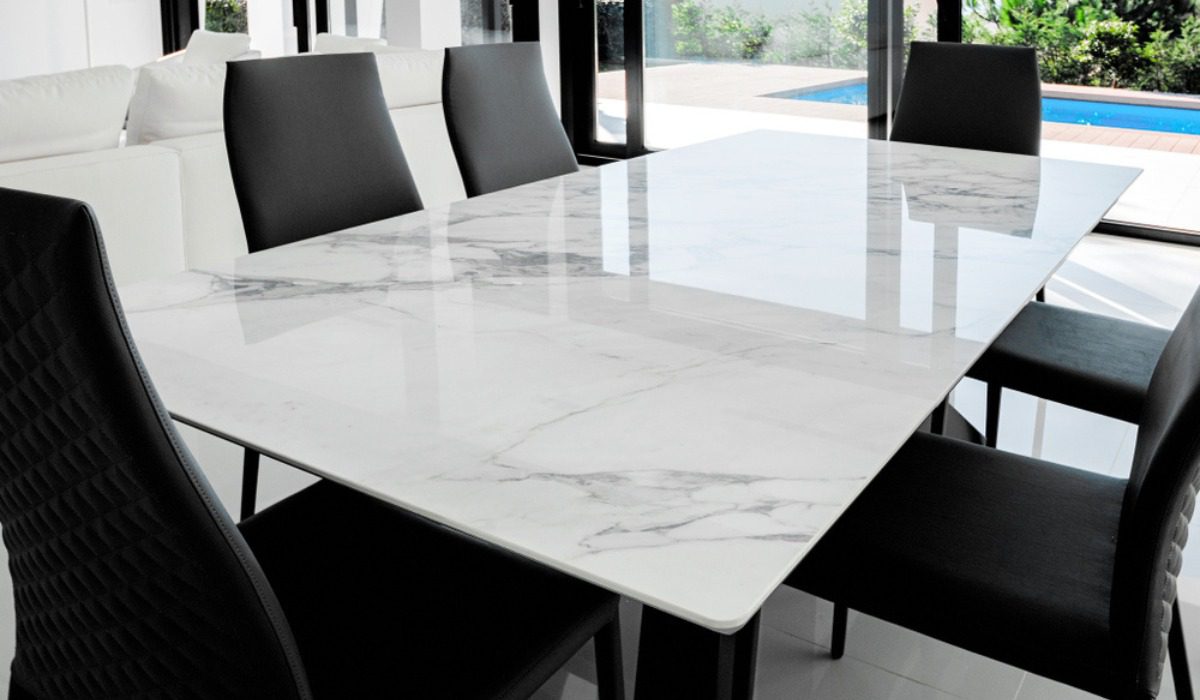
When it comes to choosing a dining table that adds both style and function to your home, marble often stands out. Its natural patterns, smooth finish, and timeless charm make it a favorite for many homeowners. But with so many options available, finding the right one without overspending can be a challenge. If you’re wondering how to make the right choice without breaking the bank, understanding the marble dining table price and what influences it is a great place to start.
In this blog, we’ll walk you through the key things to consider when selecting a marble dining table that suits both your taste and your budget.
Understand What You’re Paying For
Before diving into shopping, it helps to understand what makes marble dining tables vary so much in price. Several factors influence the cost:
- Type of marble: Carrara, Calacatta, and Emperador are just a few types, each with different appearances and price ranges.
- Table size: Larger tables use more material and require stronger support structures.
- Base material: Wood, metal, or even marble bases can change the cost significantly.
- Craftsmanship: A well-designed table with fine detailing will usually cost more than a basic one.
Knowing these basics helps you identify what features matter most to you and where you might be able to compromise.
Set a Realistic Budget Range
It’s easy to get carried away by the visual appeal of marble furniture, but setting a clear budget early on will keep your choices grounded. Start by asking yourself:
- How many people do I want the table to seat?
- Will this be used daily or just for special occasions?
- Do I need additional features like an expandable top?
These questions can help narrow your budget. Once you have a range in mind, you can begin comparing options without being distracted by styles that don’t match your price point.
Choose the Right Marble Type for Your Needs
Not all marble is the same. Some types are more luxurious and costly, while others are more accessible and practical for everyday use.
- Carrara Marble: One of the more affordable options, with soft veining and a light grey tone.
- Calacatta Marble: More premium, with bold veining and a striking white background.
- Emperador Marble: Rich brown tones and distinctive veins make this a popular mid-range option.
If your goal is to get the look of marble without the high-end price, Carrara might be your best bet. It gives you that classic marble look without being overly expensive.
Consider Alternative Materials and Finishes
If you’re open to alternatives, you might consider tables that use marble veneers or composite materials. These options often keep the elegant marble look while significantly reducing the cost.
For example, a table with a marble veneer top—thin layers of marble applied over a core material—can mimic the appearance of solid marble without the same price tag or weight. Some also come in finishes that resist stains and scratches better than natural marble, making them more suitable for households with kids or heavy use.
Think About the Base and Frame
The marble top is just one part of the table. The base and frame can vary widely in material and design. This is another area where your choices can influence the price.
- Wooden Bases: Offer warmth and versatility but may not always match modern interiors.
- Metal Bases: Sleek and strong, great for contemporary looks. Materials like stainless steel or powder-coated iron are popular and budget-friendly.
- Marble-on-Marble: These look luxurious but come at a premium due to weight and handling costs.
Choosing a simpler base design can help you save while still getting a quality tabletop.
Measure Your Space First
One of the biggest mistakes buyers make is falling in love with a table that doesn’t fit their space. Before you even start shopping, measure your dining area. Keep enough room for chairs and movement. A good rule of thumb is to allow at least 3 feet of clearance on all sides of the table.
This step helps you avoid buying a table that’s either too small (and looks out of place) or too large (making the space feel cramped). You’ll also eliminate choices that are outside of your size requirements, helping you stay focused on what fits both your space and your budget.
Shop with Practicality in Mind
Marble is beautiful, but it does require care. Ask yourself how much time you’re willing to spend maintaining your table. Some types of marble are more porous than others and may stain easily. Others may scratch or chip if not handled with care.
If your household is busy or includes children, it might be worth looking into sealed marble or tables with protective coatings. These require less maintenance and offer better resistance to everyday wear.
Compare and Prioritize
Once you’ve narrowed down your top choices, compare them by more than just price. Look at:
- Durability: How long is it likely to last with your level of usage?
- Maintenance: Is it easy to clean or will it need frequent sealing?
- Design: Does it match the rest of your space?
- Flexibility: Is it expandable or adaptable in case your needs change?
It’s okay to prioritize. If design is your main concern, you might be willing to choose a slightly smaller table or a different base material to stay within budget.
Look for Local Makers or Second-Hand Deals
Don’t overlook local craftsmen or reputable second-hand sellers. Sometimes you can find excellent deals on marble dining tables that were gently used or custom-made at a lower cost than mass-produced pieces from major retailers.
Buying local can also save on shipping costs, especially for something as heavy as marble. Plus, you might have the chance to see and touch the piece before making a decision—something you can’t always do online.
Final Thoughts: Balance Value with Aesthetic
Choosing the right marble dining table for your budget isn’t just about finding the cheapest option. It’s about getting the best value for your money. When you balance aesthetic, functionality, and practicality, you’ll end up with a table that not only looks good in your home but also fits your lifestyle.
Take your time, do your research, and trust your instincts. A well-chosen table becomes more than just furniture—it becomes the place where memories are made.
