
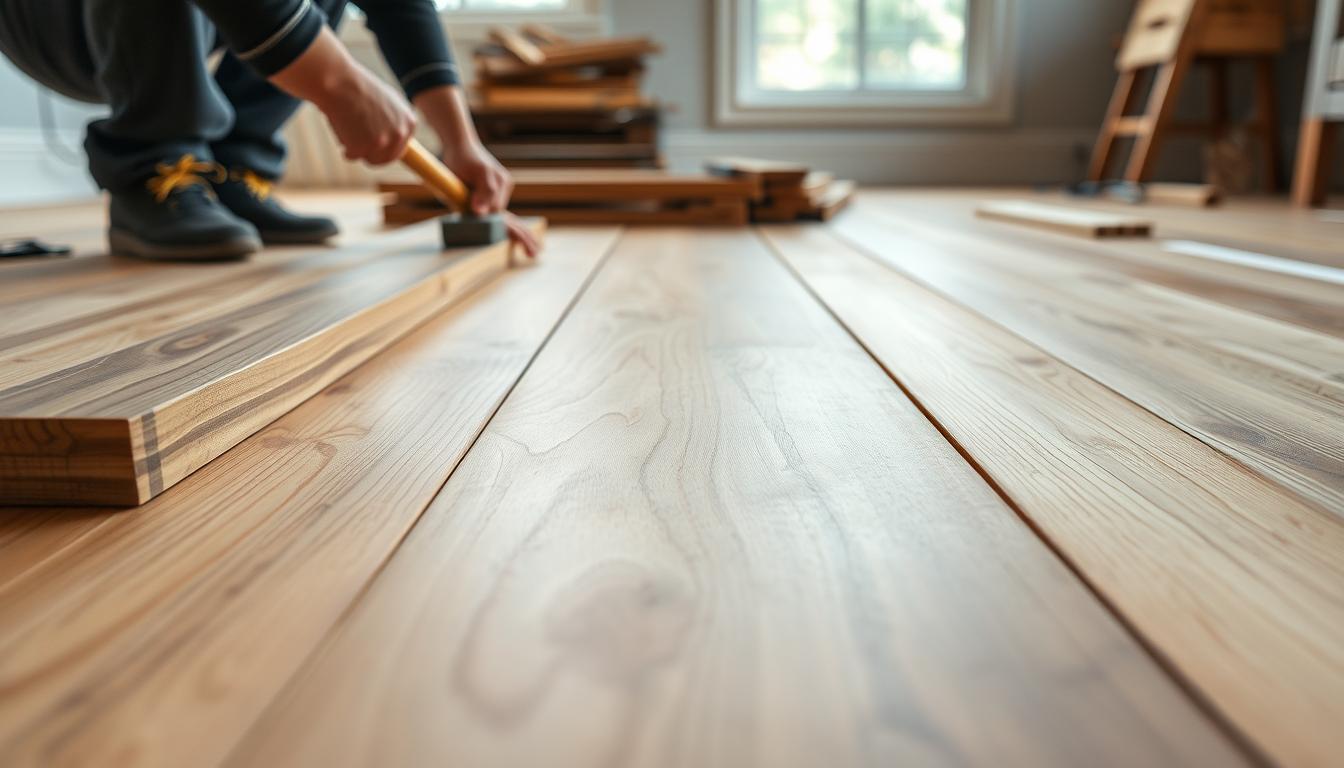
Upgrading your home with timber flooring is a decision that blends style, durability, and long-term value. However, achieving the best results requires careful planning before the installation begins. From choosing the right materials to understanding the process, knowing what to expect can help you avoid costly mistakes and ensure a smooth experience.
Understanding Timber Flooring Options
Not all timber flooring is the same. Options include solid hardwood, engineered timber, and laminate-style timber finishes. Each type has different characteristics in terms of durability, appearance, and cost.
Solid timber offers a premium, natural look but may require more maintenance. Engineered timber provides better stability, especially in areas with fluctuating temperatures, making it a popular choice for modern homes.
Preparing Your Subfloor
A strong and level subfloor is essential for successful installation. Uneven or damaged subfloors can lead to issues such as squeaking, movement, or premature wear.
Before starting the timber flooring installation process, the subfloor must be cleaned, leveled, and checked for moisture. Proper preparation ensures that the flooring sits securely and performs well over time.
Moisture and Climate Considerations
Timber is a natural material that expands and contracts with changes in humidity and temperature. This is especially important in areas with variable climates.
Allowing the timber to acclimatize to your home environment before installation helps prevent issues like warping or gaps. Managing indoor humidity levels after installation is equally important.
Choosing the Right Installation Method
There are different installation methods depending on the type of flooring and subfloor. These include nail-down, glue-down, and floating floor systems.
Each method has its advantages. For example, floating floors are quicker to install and more flexible, while glued or nailed floors provide a more permanent and stable finish.
Understanding these methods helps you choose the best approach for your home.
Planning Layout and Design
The direction and pattern of your flooring can impact the overall look of your space. Planks installed parallel to the longest wall often create a sense of openness, while unique patterns can add character.
Planning the layout in advance ensures a balanced and visually appealing result. It also helps minimize material waste during installation.
Budgeting for the Full Project
Timber flooring involves more than just the cost of materials. Additional expenses may include underlay, labor, finishing, and potential repairs to the subfloor.
Setting a realistic budget that covers all aspects of the project helps avoid unexpected costs and ensures a smoother process.
Allowing Time for Installation
The timeline for installation can vary depending on the size of the area and the complexity of the project. Some installations can be completed quickly, while others may require several days.
It’s also important to allow time for finishing processes, such as sanding and sealing, which contribute to the durability and appearance of the floor.
Maintenance and Long-Term Care
Once installed, timber flooring requires regular care to maintain its beauty and performance. This includes cleaning, protecting against scratches, and occasionally refinishing the surface.
Proper maintenance not only preserves the look of the flooring but also extends its lifespan.
Professional vs DIY Installation
While some homeowners consider DIY installation, professional services often provide better results. Experts have the tools and experience needed to handle complex tasks and ensure precision.
Hiring professionals can save time and reduce the risk of errors that may lead to costly repairs later.
A Broader Perspective on Flooring Choices
Timber flooring installation reflects broader trends in sustainable home materials and interior design choices, where homeowners prioritize durability, natural aesthetics, and long-term value.
These trends highlight the importance of thoughtful planning and quality materials in home improvement projects.
Conclusion
Starting a timber flooring project requires careful preparation and informed decision-making. From selecting the right materials to understanding the installation process, each step plays a crucial role in achieving a successful outcome.
By planning ahead and considering all aspects of the project, you can create a beautiful, durable floor that enhances your home for years to come
