
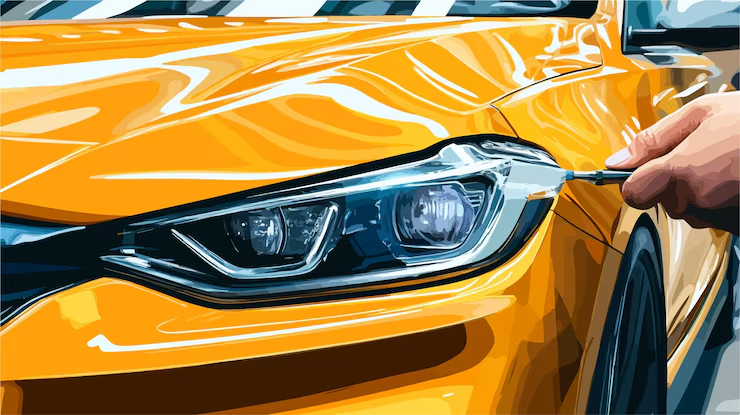
Nobody talks about paint protection film until their car gets its first deep scratch. Then suddenly, it becomes the only thing you wish you had done sooner. If you are researching costs before that moment arrives, you are already ahead of most people.
The PPF pricing at auto detailers like the Colibri Car Wrap and Detailing, varies more than most drivers expect. It is not like buying tires, where you can compare numbers side by side and pick the cheapest one. Too many variables are at play, and some matter much more than others.
The Real Reason Prices Are All Over the Place
Walk into three different PPF shops in Toronto, and you will likely get three very different quotes for what sounds like the same job. Part of that is the film brand. Part of it is how the shop actually installs it. And part of it, honestly, is just how each shop prices its labour.
Entry-level films cost less per square foot. Premium brands like XPEL, SunTek, and 3M cost more because they carry longer warranties and perform better over time. Self-healing properties, optical clarity, resistance to yellowing – these things separate a $6 per square foot film from a $14 one. The gap is real, and you will notice it in three or four years.
What You Will Actually Pay in Toronto Right Now
Here is where most people want to land when researching this. So let’s get into actual numbers.
A partial front-end package, typically the bumper, partial hood, and fenders, runs somewhere between $900 and $1,500 at most shops. This is what most people get because it covers the areas that take the most hits from road debris on highways like the 401 and the 400.
A full front-end package, meaning the complete hood, full fenders, mirrors, headlights, and A-pillars, usually falls between $1,800 and $2,800. The price jump makes sense when you consider how much more surface area is being covered and how much more time it takes to do it cleanly.
Full vehicle coverage is a conversation entirely different from that. Expect to pay between $4,500 and $8,000, depending on the vehicle. Larger SUVs and trucks sit toward the top of that range. Some exotic or luxury vehicles can go higher because the body lines are more complex, and mistakes cost more to fix.
These are not exact quotes. Your car, your chosen film, and the shop you pick will all shift these numbers. But this gives you a reasonable starting point before anyone tries to sell you something.
Cheaper Quotes Are Not Always a Deal
This is the part worth paying attention to. Some shops quote low because they cut film by hand directly onto your paint instead of using computer-plotted templates pre-cut for your specific vehicle model. Hand-cutting saves the shop time and money. It also introduces a real risk of blade marks on your clear coat, which defeats the entire point of the job.
A shop using digital templates charges more because the process is cleaner. The film edges sit tighter, the coverage wraps further into door jambs and edges, and there is less chance of damage during installation. That difference in process usually adds a few hundred dollars to the quote. Most people think it is worth it.
Paint Correction Adds to the Bill, and Skipping It Is a Mistake
If your car already has swirl marks, light scratches, or any surface oxidation, most reputable installers will bring up paint correction before they touch the film. They are not trying to upsell you for fun. Sealing imperfections under a film that costs thousands of dollars is genuinely bad value.
Paint correction adds roughly $150 to $500, depending on the extent of the work required. It is an extra line on the invoice that nobody loves seeing. Skipping it and hoping for the best is a decision people tend to regret once the film is on and the light hits the panels at the wrong angle.
The Number Most People Do Not Think About
One respray on a front bumper through a body shop in Toronto costs between $400 and $700 on average. A hood with real stone-chip damage can cost $1,200 or more to repaint properly. These are not rare scenarios for cars that spend time on Ontario highways. Gravel trucks, construction zones, and winter road conditions do real damage to paint over time.
When you hold those repair costs against the price of a front-end PPF package, the math is less painful than it first appears. The film acts as a sacrificial layer. Chips and scratches hit the film instead of your paint. And quality films from brands like XPEL come with a 10-year manufacturer warranty against yellowing, cracking, and delamination, which a repaint does not offer.
Before You Book Anything, Ask These Questions
Ask what brand of film the shop uses and whether it carries a manufacturer’s warranty. Ask if they use computer-cut templates or hand-trim on the car. Ask how long the job takes and when the car can be driven in the rain after installation.
A shop that answers those questions without hesitation is usually one that knows what it is doing. A shop that gets vague or deflects is probably not the one you want working on a car you care about.
PPF is not cheap. Nothing about protecting a vehicle well tends to be the case. But the alternative, dealing with paint repairs that pile up year after year, tends to cost more in the long run and causes a lot more frustration along the way.
