
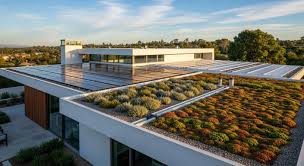
Flat roofs are often misunderstood. While they may appear simple compared to pitched designs, they require careful planning, material selection, and maintenance to perform well over time. Whether you’re managing a commercial property or updating a modern home, understanding how flat roofing systems work can save you from costly repairs and premature replacements.
This guide explores key considerations, material options, and practical strategies to help you make informed decisions about flat roofing.
Why Flat Roofs Are Gaining Popularity
Flat roofs have become increasingly common in both residential and commercial construction. Their clean lines and functional benefits make them appealing for modern design and efficient use of space.
Some advantages include:
- Usable space for HVAC units, solar panels, or rooftop patios
- Lower construction costs compared to pitched roofs
- Simplified access for maintenance and inspections
- Modern aesthetic appeal that fits contemporary architecture
However, these benefits come with trade-offs. Flat roofs are more susceptible to water pooling and require proper drainage systems to prevent long-term damage.
Common Flat Roofing Materials
Choosing the right material is one of the most important decisions in any roofing project. Each option has its own strengths depending on climate, budget, and building structure.
Built-Up Roofing (BUR)
BUR systems consist of multiple layers of bitumen and reinforcing fabrics. They are known for durability and excellent waterproofing.
Best for: Commercial buildings with heavy foot traffic
Modified Bitumen
This is an evolution of BUR, offering added flexibility and resistance to temperature changes.
Best for: Properties in areas with fluctuating weather conditions
EPDM (Rubber Roofing)
EPDM is a synthetic rubber membrane that is lightweight and easy to install.
Best for: Budget-conscious projects with large surface areas
TPO (Thermoplastic Polyolefin)
TPO is a popular single-ply membrane known for energy efficiency and UV resistance.
Best for: Energy-conscious property owners looking to reduce cooling costs
Key Factors to Consider Before Installation
Flat roofing isn’t just about picking a material—it’s about ensuring the entire system works together effectively.
1. Drainage Design
Poor drainage is the leading cause of flat roof failure. Even a slight slope is necessary to guide water toward drains or scuppers.
2. Climate Conditions
Heat, humidity, and heavy rainfall all impact how a roof performs. Materials must be selected with local weather patterns in mind.
3. Insulation Needs
Proper insulation improves energy efficiency and prevents moisture buildup within the roofing system.
4. Maintenance Planning
Flat roofs require regular inspections to catch minor issues before they escalate. Planning for maintenance early can extend the roof’s lifespan significantly.
Signs Your Flat Roof Needs Attention
Ignoring early warning signs can lead to expensive repairs or even structural damage. Keep an eye out for:
- Standing water that remains after rainfall
- Cracks or blisters in the roofing membrane
- Interior water stains or leaks
- Visible sagging or uneven surfaces
- Increased energy bills due to insulation issues
Addressing these issues promptly can prevent more serious complications.
The Importance of Professional Expertise
Flat roofing systems are deceptively complex. Small installation errors—like improper sealing or inadequate slope—can lead to major problems over time.
Working with experienced professionals ensures:
- Accurate material selection
- Proper installation techniques
- Compliance with local building codes
- Long-term durability and performance
If you’re exploring options or want to better understand what works best for your property, consider reviewing insights fromSan Antonio flat roof specialists to see how tailored solutions can make a difference.
Maintenance Tips for Long-Term Performance
Even the best-installed flat roof needs consistent care. A proactive approach can extend its life by years.
Routine Maintenance Checklist
- Inspect the roof at least twice a year
- Clear debris from drains and gutters
- Check seams and flashing for damage
- Repair minor cracks or punctures immediately
- Schedule professional inspections annually
Consistency is key. Small efforts today can prevent major repairs tomorrow.
Flat Roofing and Energy Efficiency
Flat roofs offer unique opportunities to improve energy efficiency. Reflective materials like TPO can reduce heat absorption, while proper insulation minimizes energy loss.
Additionally, flat roofs are ideal for:
- Solar panel installation
- Green roofing systems (vegetation layers)
- Cool roof coatings that reflect sunlight
These upgrades not only lower energy bills but also contribute to environmental sustainability.
Making the Right Choice for Your Property
There is no one-size-fits-all solution when it comes to flat roofing. The right system depends on your building’s structure, location, and long-term goals.
Before committing to a project, ask yourself:
- What is my budget for installation and maintenance?
- How long do I expect the roof to last?
- What environmental conditions will it face?
- Do I plan to use the roof space for additional purposes?
Answering these questions will help guide you toward a solution that balances cost, performance, and durability.
Conclusion
Flat roofing offers a practical and modern solution for many properties, but it requires thoughtful planning and ongoing care. From selecting the right materials to ensuring proper drainage and maintenance, every decision plays a role in the roof’s long-term success.
By understanding the fundamentals and seeking reliable guidance when needed, property owners can avoid common pitfalls and maximize their investment. Whether you’re installing a new system or maintaining an existing one, taking a strategic approach will ensure your flat roof performs efficiently for years to come.
