
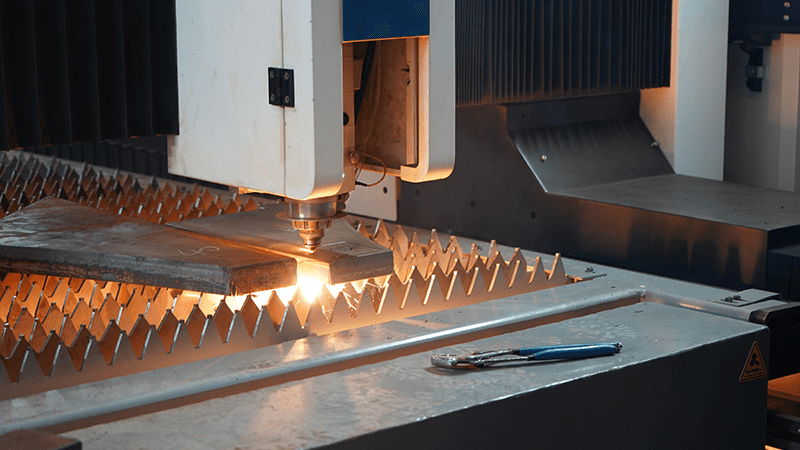
The State of Laser Cutting in 2025
Laser technology has come a long way in the last decade. What was once limited to large manufacturers is now part of classrooms, small workshops, and creative studios across the world. By 2025, laser cutters are faster, smarter, and easier to use than ever before. Yet, when it comes to choosing the right one, most people still look for one thing—real user experiences.
Customer feedback has become the new standard for judging reliability. While marketing promises big results, user reviews tell you how machines perform after months—or years—of daily use. Whether it’s a teacher in Manchester or a maker in Miami, the same themes show up across discussions: dependability, support, and ease of learning.
As one reviewer said, “Specs don’t mean much if the machine sits idle because support never answers.”
That sums up what most users care about—performance that lasts and a company that stands behind its tools.
What Users Are Saying About Reliability
When you read through real user reports, one thing stands out: not all laser cutters are built the same. Many users report frustration with cheaper imports that look good on paper but fail under pressure.
A small engraving shop owner explained, “We tried saving money with an off-brand machine. It took three weeks to set up, and the software kept crashing. When we upgraded, we were cutting in under an hour.”
For small businesses, downtime kills momentum. A reliable machine isn’t just a convenience—it’s the backbone of production. A 2024 survey by the Fabricators and Manufacturers Association found that 82% of small manufacturing shops ranked reliability and service as the top two factors influencing their purchase decisions.
The Role of Training and Support
Many users praise companies that offer proper onboarding and training. The difference shows up not in fancy features but in confidence.
A high school teacher in Birmingham shared, “I had zero laser experience. The setup guide was clear enough for me to run a student project within two days. The best part was being able to call support and talk to someone who actually knew the machine.”
That kind of feedback shows how customer care now defines product value. Machines that include tutorials, responsive support teams, and accessible troubleshooting guides consistently get better long-term reviews.
This is especially true in education and small business settings, where users wear multiple hats and need quick answers.
Boss Laser Reviews and Real-World Insights
Among the most frequently discussed brands, Boss Laser reviews often highlight a strong focus on customer feedback and practical design. Users commonly note that the machines “just work” out of the box and come with ongoing technical support.
One small business owner in Leeds mentioned, “We’ve used ours nearly every day for three years. When I had a question about engraving depth, the support team walked me through it step-by-step.”
It’s a pattern that reflects a shift in how manufacturers view feedback. Instead of treating reviews as reputation tools, many companies now see them as design input. In this case, repeated user suggestions led to improvements in cooling systems, exhaust maintenance, and safety features—real changes made because people spoke up.
That’s what sets modern laser companies apart: the willingness to listen, test, and adjust.
Price Versus Value: What Buyers Have Learned
One of the most common mistakes buyers mention is chasing the lowest price. Many found out that cheaper upfront costs often mean higher maintenance or frequent replacements later.
A maker from Bristol said, “My first laser was a bargain, but parts were impossible to replace. The warranty was useless. I spent more time fixing it than making products.”
In contrast, users who paid more for reliable support often saved money in the long run. A 2025 report from MarketWatch found that machines with longer warranties and dedicated customer service had 40% lower total ownership costs over three years.
That’s a major lesson for new buyers: the true value of a laser cutter isn’t just in the specs—it’s in how long it keeps performing.
Where Reviews Make the Biggest Difference
Education
Teachers value safety and simplicity. They want students to learn without worrying about complex software or dangerous setups. Reviews from schools often focus on user-friendly controls and good customer guidance.
Makerspaces
Hobbyists and small-batch creators look for flexibility and precision. They often praise machines that handle both engraving and cutting without constant recalibration.
Manufacturing
Professionals in production environments prioritise uptime. Reviews here are all about durability, service speed, and replacement parts.
In all three cases, the same theme repeats—machines that are easy to maintain, easy to learn, and easy to fix earn the highest praise.
Actionable Tips for Buyers in 2025
- Read reviews before you buy. Not just star ratings—look for detailed feedback about setup, support, and maintenance.
- Ask about training. A one-hour walkthrough can save weeks of trial and error.
- Prioritise service availability. If you can’t reach someone for help, you don’t have a reliable product.
- Compare long-term costs. The cheapest machine might cost more after replacements, downtime, and parts.
- Check for upgrades. Brands that improve based on user input are worth watching.
These points come up again and again from real-world users—not marketers.
The Takeaway
By 2025, laser cutters have become tools of creativity and production, not just industrial equipment. What matters most now isn’t power or price—it’s how the machine fits into daily work.
From teachers shaping new makers to small shops creating products that ship worldwide, the consensus is clear: reliability, support, and usability win every time.
One user put it best: “A good laser doesn’t just cut material—it cuts the time between idea and result.”
That’s the real story from people who use these machines every day. Their feedback is shaping how companies build, and their experiences are setting the standard for what’s next in laser technology.
