
Cancer is a global challenge that touches nearly every community, but how we understand and treat it is changing rapidly. Researchers around the world are discovering that cancer is not just a genetic disease. It is also deeply shaped by epigenetics, the biological mechanisms that control how genes are turned on or off without changing the DNA sequence itself.
To unlock the full potential of precision medicine, we need better tools to study how epigenetic changes influence cancer risk, development, treatment response, and survival. This means tracking not just genetic mutations, but also subtle molecular shifts over time. A powerful way to do that is through the creation of national biobanks that collect and store biological samples, especially tissue and blood, along with clinical data, lifestyle information, and environmental exposure records.
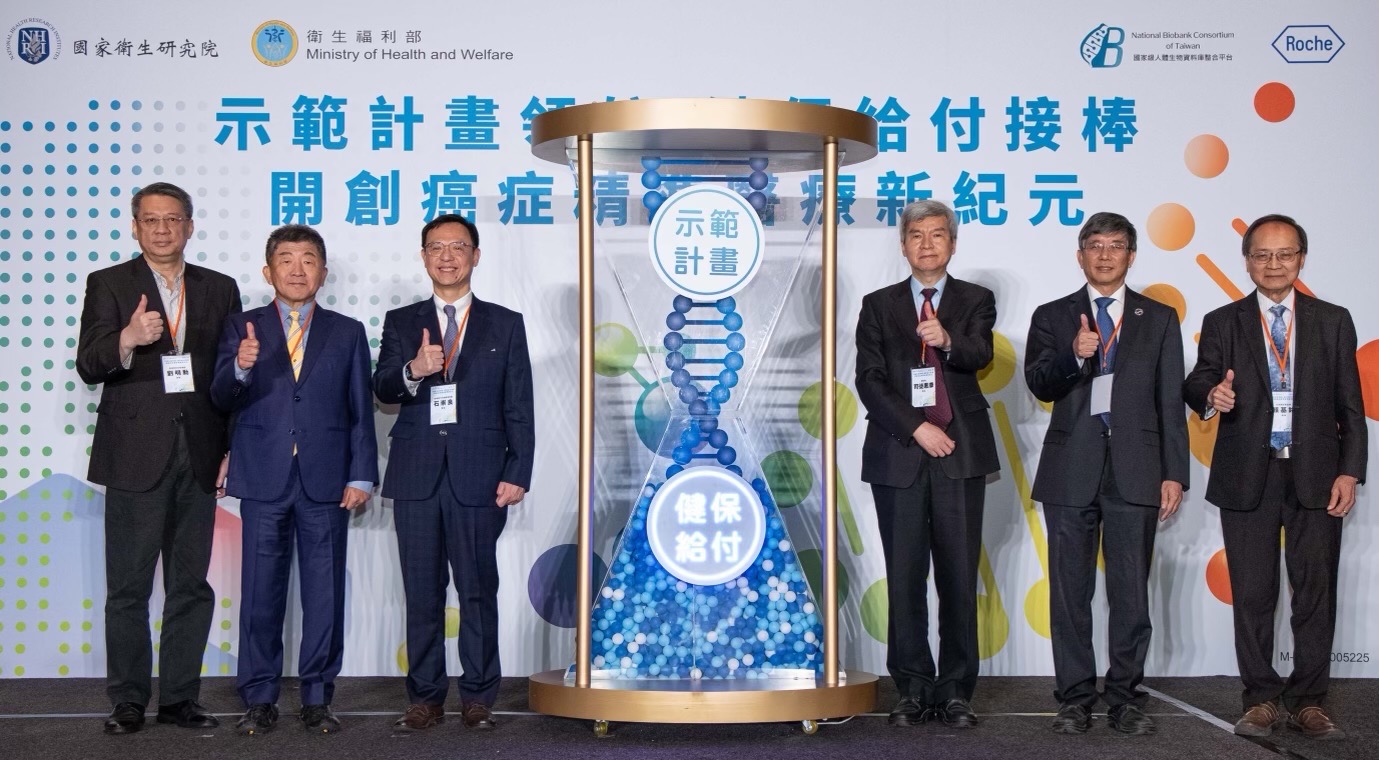
Taiwan is in a unique position to take the lead in building a dedicated national biobank focused on cancer epigenetics. With a strong public healthcare system, a tech-savvy research community, and a commitment to medical innovation, Taiwan could provide the world with an unmatched resource for studying how cancer behaves and how it might be stopped earlier and treated more precisely.
What Is a Biobank and Why Epigenetics Matters
A biobank is a large, organized collection of biological samples like blood, tumor tissue, and DNA, etc. These samples are linked with detailed medical and demographic information and stored for future research. Some of the most impactful discoveries in cancer genetics have come from biobanks that allowed scientists to study patterns across thousands of patients.
But while genetic biobanks are well established, epigenetic biobanks are still emerging. That is a gap with enormous potential. Unlike the DNA sequence, which stays mostly the same throughout life, epigenetic markers change in response to age, hormones, diet, pollution, inflammation, and even stress. These changes can influence how likely someone is to develop cancer or how a tumor might respond to treatment.
A biobank that tracks epigenetic data over time, combined with clinical outcomes and environmental exposure records, would allow researchers to build predictive models, identify early warning signs, and discover new therapeutic targets.
Taiwan’s Unique Advantage
Taiwan already has several key advantages that make it a natural leader in this space.
1. Universal Health Coverage and Centralized Data
Taiwan’s National Health Insurance (NHI) system covers nearly the entire population and includes integrated electronic medical records. This provides a strong foundation for tracking health trends, linking medical histories to biological samples, and conducting longitudinal studies, research that follows individuals over long periods of time.
2. World-Class Research and Clinical Institutions
Taiwan is home to top medical schools, cancer research centers, and teaching hospitals. Researchers like Professor Chun Ju Chang, a cancer biologist at China Medical University, are already studying how epigenetic mechanisms like DNA methylation affect breast cancer development and resistance to hormone therapy. Their work is helping lay the scientific foundation for understanding how early epigenetic changes shape cancer outcomes.
3. Strong Digital Infrastructure
Taiwan has invested heavily in digital health tools, secure cloud computing, and bioinformatics. These are essential for managing the large volumes of data produced by epigenetic studies. A biobank would require systems to store, protect, and analyze everything from genome-wide methylation data to patient lifestyle surveys and imaging records.
What a National Epigenetic Biobank Could Include
A successful biobank for cancer epigenetics would need to collect a wide range of materials and information. These might include:
- Blood and tissue samples at multiple time points, including before and after treatment
- Tumor biopsies with matched normal tissue for comparison
- DNA and RNA for methylation and gene expression analysis
- Lifestyle data such as diet, smoking, alcohol use, physical activity, and stress
- Environmental exposure information, including air quality and toxin exposure
- Detailed clinical records, including treatments, medication history, and outcomes
- Longitudinal follow-up, tracking patient health and any recurrence or survival
The biobank would also support advanced technologies such as next-generation sequencing, single-cell analysis, and AI-assisted pattern recognition. Researchers could then use the data to map how epigenetic changes unfold over time and how they interact with genetics, treatment, and the environment.
Impact on Research, Prevention, and Treatment
The benefits of such a biobank would ripple through many areas of medicine.
- Early Detection: Researchers could identify epigenetic signatures that appear before tumors form, opening the door to blood-based screening tests that catch cancer in its earliest stages.
- Precision Treatment: By understanding which epigenetic patterns predict drug resistance or response, clinicians could tailor treatment plans to individual patients, improving effectiveness and reducing side effects.
- Prevention Strategies: If certain environmental or lifestyle factors are shown to drive harmful epigenetic changes, public health officials could design better prevention programs.
- Drug Development: The biobank would support research into epigenetic drugs that reverse gene silencing or reactivate tumor suppressor genes, offering new options for difficult-to-treat cancers.
Leading Through Global Collaboration
While the biobank would be based in Taiwan, its impact would be global. Through open data sharing agreements and partnerships with international cancer centers, Taiwanese researchers could work with scientists across Asia, Europe, and North America.
By including diverse populations in the database, particularly people of East Asian descent, who are often underrepresented in Western research, the biobank would help ensure that new discoveries are relevant and inclusive.
Taiwan could also offer a model for ethical governance, balancing scientific access with strong privacy protections, informed consent, and public trust.
Next Steps and Vision
Launching a epigenetic biobank would require careful planning, funding, and collaboration between academic institutions, government agencies, clinicians, and the private sector. But the building blocks already exist.
Researchers like Chun Ju Chang have called attention to the importance of studying epigenetic changes in early-stage breast tissue. Clinical leaders have emphasized the need for long-term, population-wide data. Policy makers in Taiwan have supported digital health initiatives and personalized medicine programs.
The next step is to bring these efforts together into a coordinated national strategy. A pilot program could begin with high-incidence cancers like breast, colorectal, and liver cancer, gradually expanding to include rare cancers and hereditary syndromes.
A National Resource With Global Reach
A biobank at a National scale for cancer epigenetics is more than just a scientific tool. It is a vision for smarter, earlier, and more equitable cancer care. It is a way for Taiwan to spearhead not only in research but in reshaping how the world approaches cancer prevention, diagnosis, and treatment.
With the right investment, leadership, and commitment, Taiwan has the opportunity to build a resource that changes cancer care for generations, at home and far beyond its borders.
