
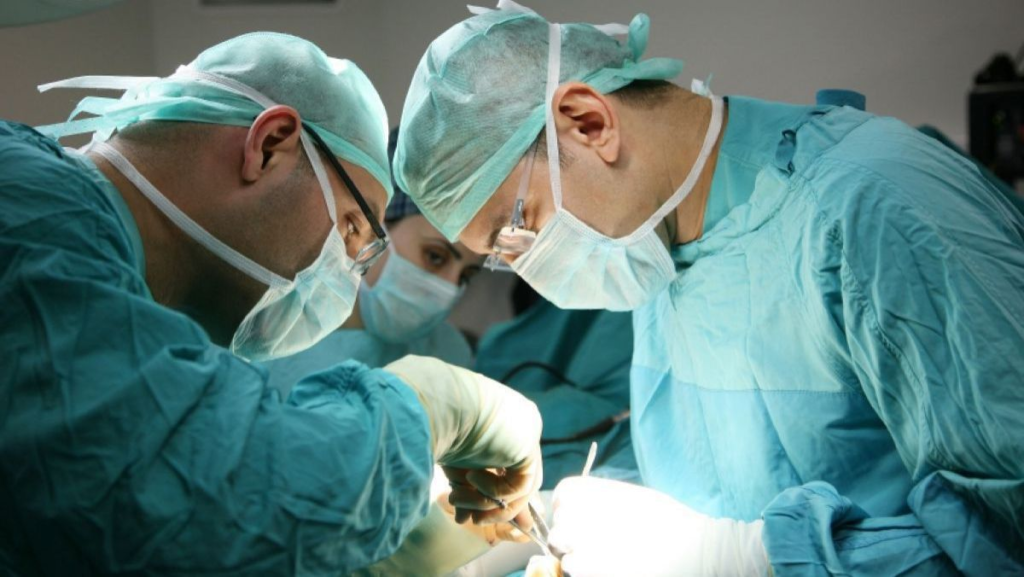
Donating your body is a generous gift that helps connect life with science. Donated bodies are very important for medical research, teaching, and training for surgeries. By giving their body after they pass away, people can help advance medical discoveries, improve surgery methods, and teach future doctors, creating a lasting impact even after they are gone. This post talks about what happens to a donated body, explaining the main steps and effects involved.
Image Source: Pinterest
Understanding Body Donation
Body donation, also known as anatomical donation, is when a person gives their body to science after they die. The main goal is to help with learning and research. When you donate a body to science, medical schools, universities, and research centers use them to teach about the human body, improve surgery skills, and study illnesses.
Body donation is different from organ donation. Organ donation happens soon after someone dies and helps save lives right away. Body donation is about helping science in the long run. People donate because they want to help others, support science, or create an important memory for the future.
Decision-Making Process
Deciding to give your body for donation needs a lot of thought, talks with family, and some legal steps. Most programs ask donors to fill out medical history forms and consent forms before donating.
Planning ahead helps make sure the donor’s wishes are followed and makes things easier for family members during a tough time. This choice lets people leave a lasting impact, making the end of their life a special gift for science and everyone else.
Role of Hospitals
When a body is donated, hospitals take great care of it and follow important rules and laws. Bodies that are donated are kept in a safe place, and made ready for use in hospitals and labs. Anatomy labs use them to help students learn about the complicated structure of the human body in ways that books and computer programs can’t.
Surgeons practice new methods on donated bodies to improve their skills before using
them on real patients. The donation process is a teamwork effort between the person donating, their family, and the hospital or medical center. It focuses on treating everyone with respect, keeping things private, and using donations for scientific reasons.
Preparation and Study
After being donated, bodies are carefully prepared. This might include:
- Embalming to preserve body tissues for a long time so they can be studied later
- Refrigeration for temporary use
- Special care for storing tissues used in surgery or disease studies
Medical students study these bodies to learn about human anatomy, practice surgery skills, and gain experience that books can’t teach. The process involves learning, respect, and careful treatment to make sure the donor’s contribution is respected and teaches others.
Help with Research and Innovation
Donating your body helps medical research a lot. It can help
- Scientists study diseases and differences in body structures
- Surgeons practice new methods before they work on real patients
- Medical tools and artificial body parts are checked and made better
Some donors with special needs support researchers in learning about rare diseases, helping to create treatments that can save many lives. So, one donation can help a lot more than just in the classroom; it can make a big difference in healthcare and medical knowledge all around the world.
Busting Common Misconceptions
Confusion about donating bodies can stop people from doing it. Common myths include:
- Donors will not be treated well
- Your age or health history may affect your eligibility
- Donations are only for specific types of organizations
Ethical programs ensure that people are treated with respect and kept safe, and many of them welcome different kinds of donors. Teaching people about these facts helps raise more money and boosts the effects of medical education and research.
Modern Technology Integration
When you donate a body to science it is not only used in regular anatomy labs; they are also being used with new technology to improve medical learning and research. Main uses include:
Virtual Reality Training: Donated bodies are scanned to make lifelike 3D models. This lets students learn about anatomy and practice surgeries in a realistic virtual setting.
3D Imaging and Printing: Clear pictures of donated bodies can be used to make precise 3D-printed models. These models help in planning surgeries, designing prosthetics, and training for specific patients.
Surgical Simulators: Using both real body study and practice tools helps doctors train for difficult surgeries, making them more accurate and keeping patients safer.
Augmented Reality Applications: AR adds extra information about the body on top of real people, helping us learn by showing internal structures in real time.
Combining traditional learning with new technology makes body donation more useful. It helps create new ideas that improve education and patient care.
Conclusion
The process of donating a body, from making the choice and getting ready to being studied and finally remembered, shows how kindness and science come together. Donors give important support that helps improve medical training, new surgery techniques, and research. Preparing carefully, and respecting traditions help make sure the donor’s memory is valued and lasts a long time.
