
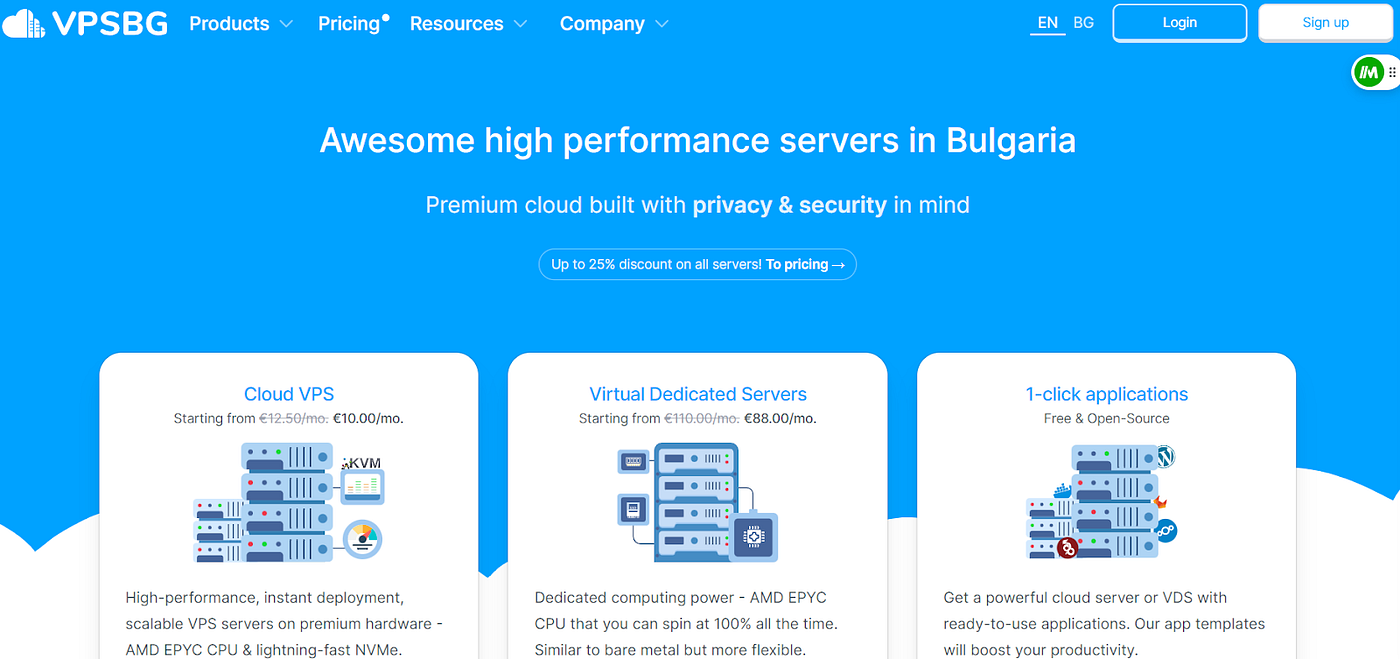
Choosing the right server is an important decision for anyone running cryptocurrency websites, applications, development environments, monitoring tools, or other digital projects. A reliable hosting environment can improve speed, stability, security, and overall user experience. For projects that require consistent server resources, a Bitcoin VPS can provide a flexible alternative to basic shared hosting.
However, not every VPS plan delivers the same level of performance. Providers offer different CPU configurations, RAM capacities, storage technologies, network speeds, security features, and support options. Understanding these factors can help users select a high-performance server that matches their actual requirements.
Understand Your Project Requirements
Before choosing a Bitcoin VPS, determine what you expect the server to handle. A small website may require only modest resources, while a cryptocurrency application, API, database, or development environment can need significantly more processing power and memory.
Consider the number of applications you plan to run, expected traffic, database usage, storage requirements, and whether the server will need to handle continuous background processes. Understanding these requirements prevents you from choosing a plan that is either too weak or unnecessarily expensive.
A clear assessment of your workload makes it easier to compare VPS providers based on practical performance rather than marketing claims.
Look for Powerful CPU Resources
The processor is one of the most important components of a high-performance VPS. CPU resources affect how quickly applications process requests, execute tasks, and handle multiple operations.
When comparing plans, look at the number of virtual CPU cores and, when available, information about the underlying processor generation. Modern processors generally provide better efficiency and performance than older server hardware.
If your project involves resource-intensive applications, development tools, databases, or multiple services, choosing a plan with sufficient CPU capacity can help maintain consistent performance.
Choose Enough RAM
RAM plays a major role in server responsiveness. Applications use memory to temporarily store active processes and data, allowing them to operate efficiently without repeatedly relying on slower storage.
A basic website may operate comfortably with a smaller amount of RAM, while larger applications or multiple services may require considerably more. Insufficient memory can result in slowdowns, application errors, or performance issues during periods of increased activity.
When selecting a Bitcoin VPS, consider both your current memory requirements and potential future growth. Having some additional RAM available can provide greater flexibility as your project expands.
Prioritize Fast SSD or NVMe Storage
Storage technology can significantly affect VPS performance. Traditional hard disk drives are generally slower than solid-state drives, while NVMe storage can offer even faster data access and improved input/output performance.
Fast storage can benefit websites, databases, applications, development environments, and services that frequently read or write data.
When comparing providers, check whether the plan uses SSD or NVMe storage and whether storage performance is clearly explained. Capacity is important, but speed also matters when evaluating a high-performance hosting environment.
Consider Network Performance
A powerful server is not enough if the network connection is slow or unreliable. Network quality affects how quickly users can communicate with your applications and how efficiently your server exchanges data.
Look for providers that offer reliable network infrastructure, sufficient bandwidth, and data centers in locations close to your target audience. If your users are distributed across different regions, choosing a strategically located data center can help reduce latency.
Network reliability is particularly important for applications that need consistent connectivity and responsive communication.
Evaluate Server Uptime
High performance should include reliability. Frequent downtime can interrupt websites, applications, APIs, and other services hosted on your VPS.
Before selecting a provider, review its uptime commitment and infrastructure information. A strong provider should have reliable data centers, redundant systems, and appropriate monitoring procedures.
While no server can guarantee perfect availability, a provider with a strong reputation for stability can reduce the risk of unexpected interruptions.
Check Security Features
Security should be a major consideration when choosing a Bitcoin VPS. Cryptocurrency-related projects may involve sensitive application data, administrative credentials, databases, and other important information.
Look for hosting providers that offer features such as firewalls, secure server environments, DDoS protection, regular infrastructure maintenance, and secure management options.
You should also take responsibility for securing the server itself. Strong passwords, SSH key authentication, software updates, limited user permissions, and regular backups can help strengthen your overall security.
Choose the Right Operating System
Most VPS providers allow customers to select an operating system based on their requirements. Linux distributions are widely used because they are flexible, lightweight, and well supported by developers.
The right operating system depends on the software and applications you plan to run. Make sure your selected OS is compatible with your development tools, databases, web server, and other required software.
Using a familiar operating system can also make server management easier, particularly if you plan to configure the VPS yourself.
Compare Managed and Unmanaged Services
Another important consideration is whether you want a managed or unmanaged VPS. An unmanaged plan usually provides greater control but requires the customer to handle server configuration, updates, security, and troubleshooting.
A managed Bitcoin VPS may include assistance with server maintenance, monitoring, updates, and technical issues. This can be useful for users who want to focus more on their applications instead of spending time managing infrastructure.
The right option depends on your technical knowledge, budget, and willingness to manage the server.
Review Backup Options
Performance is important, but protecting your data is equally essential. Hardware failures, software problems, configuration mistakes, or accidental deletion can cause data loss.
Before choosing a VPS provider, determine whether automatic backups are available and how frequently they are performed. Check whether backups are stored separately from the primary server and how restoration works.
For important projects, maintaining an independent backup strategy can provide an additional layer of protection.
Consider Scalability
Your hosting requirements may change as your project grows. A plan that works well today may not provide enough CPU, RAM, storage, or bandwidth in the future.
A good VPS provider should make it relatively easy to upgrade resources when necessary. Flexible plans allow you to increase server capacity without completely rebuilding your infrastructure.
Scalability is especially valuable for growing websites, applications, development projects, and cryptocurrency-related platforms that may experience changing workloads.
Examine Technical Support
Even experienced server administrators can encounter unexpected technical problems. Reliable customer support can make a significant difference when dealing with infrastructure issues.
Check whether the provider offers 24/7 support, what communication channels are available, and how quickly technical problems are normally addressed. Reviews from existing customers can also provide useful insight into the quality of support.
A low-cost VPS may not be a good value if resolving important problems becomes difficult.
Compare Price With Overall Value
Price should not be the only factor when choosing a high-performance VPS. Two plans with similar specifications can provide different levels of performance, reliability, support, and network quality.
Instead of choosing the cheapest option, compare the complete package. Consider CPU resources, RAM, storage, bandwidth, security, uptime, backups, support, and upgrade options.
The goal is to find a server that provides the right balance between performance and cost.
Final Thoughts
Choosing a high-performance Bitcoin VPS requires more than simply selecting the plan with the largest specifications. CPU performance, RAM, fast storage, network quality, uptime, security, operating system options, backups, scalability, and technical support should all be considered.
The best VPS is the one that matches your project’s current requirements while leaving enough room for future growth. By carefully comparing providers and understanding the resources your applications actually need, you can create a stable and efficient hosting environment.
For cryptocurrency websites, applications, development projects, and other legitimate online services, a properly selected VPS can provide greater control, predictable resources, and the flexibility needed to build and manage projects effectively.
