
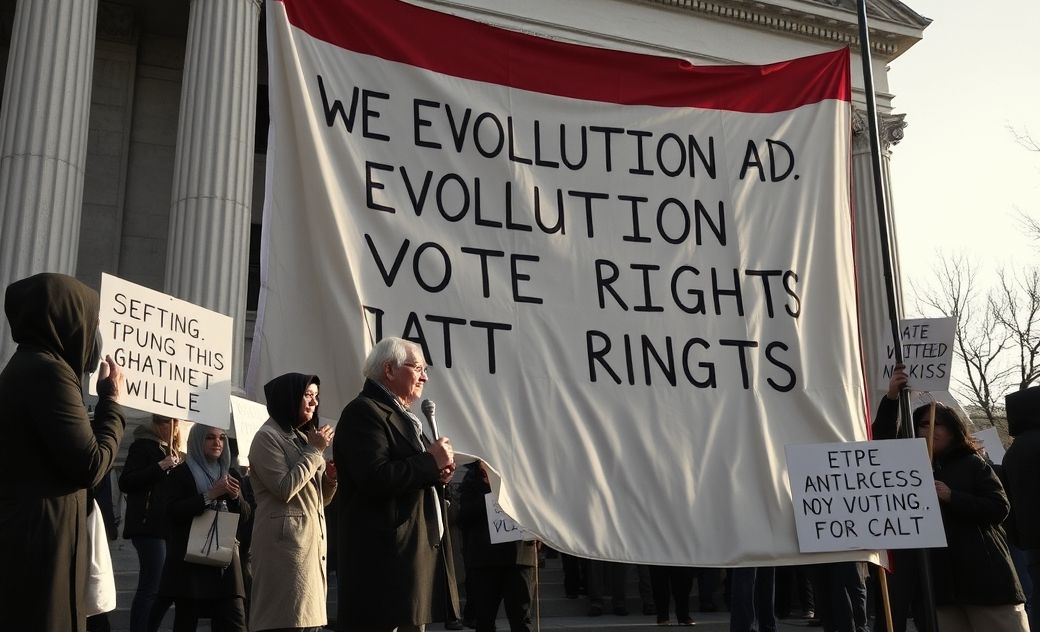
The history of voting rights is a fascinating journey that reflects society’s evolving views on democracy and equality. From the limited franchise of past centuries to universal suffrage, voting rights have expanded, allowing broader participation in governance. This evolution highlights the struggle for civil liberties and the ongoing pursuit of equal representation.
The Beginnings of Voting Rights
The concept of voting and representation has ancient roots, with early forms of democracy evident in ancient Greece and Rome. However, these were far from what we recognize as democratic today. Participation was generally restricted to wealthy, land-owning males, excluding women, slaves, and the less affluent.
Colonial and Early American Voting
In colonial America, voting rights were similarly restricted. Initially, the right to vote was primarily granted to white male property owners. The logic was that only those with economic stakes should influence governance, marginalizing large sections of the population.
19th Century Expansion
The 19th century marked significant progress in the expansion of voting rights, particularly in the United States. This period saw a shift towards more inclusive policies, influenced by growing social movements and changing ideologies.
Jacksonian Democracy
The era of Jacksonian Democracy in the United States (1820s-1830s) played a pivotal role in expanding voting rights. Under Andrew Jackson’s presidency, property qualifications for voting were relaxed, allowing more white men to participate in elections. This shift underscored the push for greater public involvement in politics.
Women’s Suffrage Movement
Simultaneously, women’s suffrage began gaining momentum. Activists like Susan B. Anthony and Elizabeth Cady Stanton spearheaded the movement, demanding equal voting rights for women. Their decades-long struggle culminated in the ratification of the 19th Amendment in 1920, granting women the right to vote in the United States.
20th Century and Civil Rights
The 20th century witnessed both progress and challenges in the fight for voting equality. Various historical events highlighted the disparities in voting rights, especially regarding race and ethnicity.
The Voting Rights Act of 1965
A significant milestone was the Voting Rights Act of 1965, outlawing discriminatory practices like literacy tests and poll taxes that disenfranchised African American voters. This legislation, a cornerstone of the civil rights movement, significantly increased voter registration in affected communities, promoting fairer elections.
Continued Efforts and Legislation
Even after the Voting Rights Act, efforts continued to ensure equitable access to voting. Amendments and policies were introduced to protect and enhance voting rights, particularly for minority and marginalized groups. This period also saw debates over redistricting and voter ID laws, reflecting ongoing challenges in achieving true electoral equality.
Contemporary Issues and Perspectives
Today, the conversation around voting rights remains dynamic. Discussions often focus on barriers to voting such as gerrymandering, voter suppression tactics, and the security of electoral processes. Technological advancements, including online voting and electronic ballots, also present new opportunities and challenges.
The Role of Technology
Technology continues to influence how we view and engage with voting. While upgrading voting systems increases accessibility and efficiency, it also raises concerns over cybersecurity. Finding a balance between innovation and security is crucial for modern electoral integrity.
Future Directions
As we look ahead, the evolution of voting rights prompts us to reflect on future possibilities. Emphasizing the protection and expansion of these rights is essential for fostering a truly representative democracy. Ongoing activism and legislative efforts will play vital roles in addressing contemporary challenges and ensuring that every voice is heard.
The history of voting rights showcases humanity’s relentless quest for inclusion and equality. Understanding this evolution provides crucial insights into the continual battle for democratic fairness, encouraging a more informed and equitable future.
