
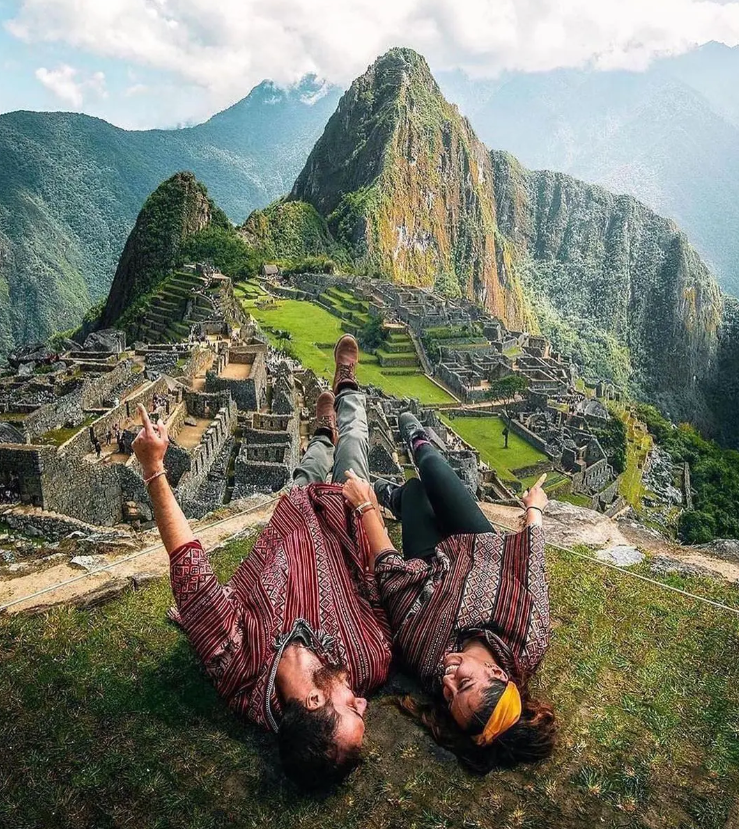
Peru shimmers across travel feeds with stone citadels, candy-colored mountains, and floating reed islands. Yet the gap between scrolling and actually standing at Machu Picchu often feels wider than expected. More travelers with the means to choose comfort are quietly moving away from DIY itineraries. They prefer fully designed trips that protect time, energy, and budget.
The shift feels practical rather than snobbish. Curated Peru tours luxury experiences give travelers professional itinerary design, skilled guides, and continuous support across every region of the country. That single arrangement removes the guesswork around train tickets, permit windows, hotel tiers, and altitude pacing. Guests arrive ready to enjoy the trip instead of troubleshoot it from a hotel lobby.
The Instagram-to-Reality Gap That Catches Travelers Off Guard
Underestimating the Country’s Physical Stretch: Peru spans coastal desert, high Andean cities, and Amazon basin within a single trip plan. What looks reasonable on a map can mean three flights, two long drives, and back-to-back early starts. Sea-level lungs meet eleven thousand feet of thin Cusco air on day one, and the body protests almost immediately.
Train Tickets, Permits, and Tight Booking Windows: Inca Trail permits sell out months in advance. Vistadome trains shift schedules without warning, and good hotels in Aguas Calientes book up early in peak season. Luxury travels demand reservations stitched together in the right order. A single missed connection can collapse the rest of the itinerary like dominoes.
The Acclimatization Mistake Almost Everyone Makes: Many independent travelers fly into Cusco and rush straight to Machu Picchu the next morning. Proper altitude acclimatization asks for two to three slow days at lower Sacred Valley elevations first. Skipping that step turns a dream trip into a sick day in a hotel room with the shutters closed.
Where DIY Planning Quietly Eats the Trip Before It Begins
Hours Spent Researching Instead of Resting: Travelers often spend evenings comparing transfer options and decoding bus schedules. Many second-guess tomorrow’s plan instead of recovering for the next physically demanding day. The mental load adds up fast across a two-week trip. Real rest never quite happens, and the photos from later excursions tend to show it.
Hidden Costs No One Tallies Until It Is Too Late: Independent planning carries quiet costs. These rarely show up on a spreadsheet until the trip is over. Wasted hours, missed activities, mediocre meals, and avoidable stress chip away at the value of every dollar spent. The honest math reveals where DIY travel falls short for serious travelers.
The Specific Pitfalls That Catch People Off Guard:
- Booking errors that cause lost deposits or duplicate hotel reservations across cities.
- Restaurant choices in tourist zones with inflated prices and forgettable food.
- Long taxi rides that an arranged transfer would handle for less stress and cost.
- Permit gaps that block access to Huayna Picchu or the classic Inca Trail route.
- Skipped highlights such as Maras salt mines or Humantay Lake due to poor sequencing.
What Professional Coordination Actually Buys a Traveler
Quiet Logistics Working in the Background: Professional itinerary design means trains run on time because someone confirmed them yesterday. High-altitude trekking support shows up as oxygen on hand, paced ascents, and guides who read the weather before reaching a pass. Hotel pickups happen at the right hour, and drivers know the road well enough to handle surprises.
Cultural Depth That Maps and Apps Cannot Provide: A Cusco-born guide pauses near a market stall to explain why the corn is purple. Another shares the Quechua name for a mountain. A third tells the story of a stone the way only someone raised on these trails can. That meaning turns a sightseeing day into a story retold for years.
Trust That Builds Across Multiple Days: Consistent guides and drivers across a multi-day trip create trust that no rotating staff can match. Travelers stop introducing themselves over and over and start asking better questions. The relationship deepens with each meal and each story shared on the road. The trip feels less like tourism and more like time with friends.
Why Modern Luxury Looks Different in the Andes
Comfort Without the Country-Club Veneer: Travelers in their thirties, forties, and fifties define luxury travels differently than the previous generation. Plush hotels still matter, but the deeper request is for friction-free movement, knowledgeable company, and meaningful access. A cold welcome drink at altitude or a private viewpoint at sunrise can outweigh a five-star spa list any day.
Time as the Real Premium Resource: Travelers spend more on a trip because they want time used well, not gold-plated everything. A professionally arranged Sacred Valley day flows from one site to the next without backtracking. The traveler ends up with more sunrise photos, longer market visits, and a real lunch instead of a granola bar.
Stepping Into Peru the Way It Deserves
Peru rewards travelers who arrive prepared and present, not those wrestling with logistics on the ground. A professionally designed trip lets the country reveal itself slowly, through warm bowls of soup at 12,000 feet and quiet sunrises over ancient stone. Send a WhatsApp message or use the inquiry form to start shaping an itinerary built around the right dates, pace, and fitness.
