
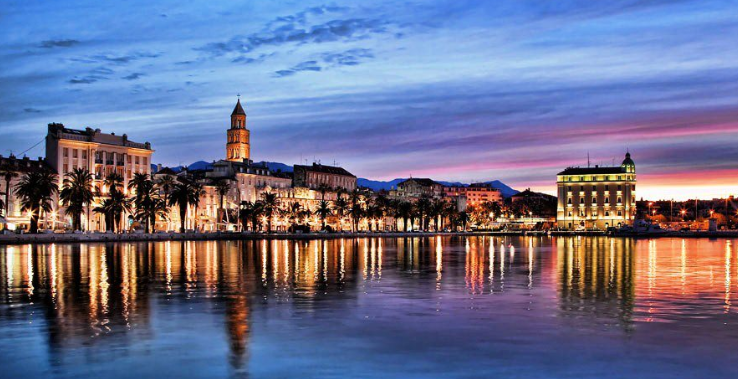
The Balkans have quietly moved up the wish list of serious travelers, and it is not hard to see why. Medieval towns, unspoiled coastlines, mountain passes, and ancient markets sit within short drives of each other across this compact region. Travelers who have spent years returning to France or Italy are now asking a different question: what took so long to look east?
What shifts the experience entirely is how a traveler moves through this part of the world. Private tours of the Balkans remove the compromises that come with group travel and replace them with something far more personal. Routes get shaped around a traveler’s actual pace, not a fixed schedule built for the average participant. The difference between a good trip and a genuinely memorable one often starts with that single decision.
The Landscape No Brochure Fully Captures
A Region Built for the Curious Traveler: Croatia’s walled old towns and island-dotted Adriatic coast draw the most attention, but the Balkans stretch well beyond any single postcard. Slovenia’s Julian Alps, Montenegro’s dramatic fjords, and the Ottoman-era lanes of Sarajevo each offer something entirely distinct. Travelers who slow down and stay longer discover that this region holds far more texture than any highlights list suggests.
Mountains, Coastlines, and Everything Between: The Balkans compress remarkable geographic variety into a relatively small area. A traveler can stand at a karst ridge above a turquoise lake in the morning. By early afternoon, the same private route leads to a sun-drenched harbor town. That contrast between raw highland scenery and Mediterranean warmth is exactly what makes this region feel endlessly rewarding to move through.
What Most Travelers Miss Without Local Guidance: When travelers choose private tours over standard group options, access to less obvious places becomes part of the deal. Plitvice Lakes and Dubrovnik’s old city appear on almost every itinerary. The monasteries carved into limestone cliffs above the Albanian coast rarely do. A private guide with genuine regional knowledge often makes the difference between a well-trodden trip and one most visitors simply never find.
When Comfort Stops Being an Afterthought
Accommodations That Reflect the Destination: Luxury in the Balkans rarely resembles a generic tower hotel near an international airport. It tends to be a stone boutique property built into a medieval city wall, or a family-run estate overlooking olive groves in Istria. Matching the right accommodation to the character of each stop is one of the most overlooked decisions in building a trip worth remembering.
The Range of What a Private Tour Can Include: A well-structured private route through the Balkans opens up experiences that standard packages rarely offer:
- Private access to archaeological sites before they open to the general public, giving travelers time and space to absorb the surroundings without distraction.
- Introductions to local winemakers, artisan producers, and family restaurateurs who do not appear in any travel guide.
- Curated restaurant reservations at authentic spots where locals eat, from slow lamb dinners in rural Albania to fresh seafood along the Dalmatian coast.
- Flexible daily schedules that adjust based on weather, mood, or a guide’s spontaneous local recommendation.
- Airport transfers and ground logistics handled from arrival to departure, with nothing left to chance.
Why the Vehicle and Driver Shape the Whole Experience: Long stretches between destinations are part of Balkan travel, and they pass very differently depending on how a traveler moves. A private vehicle with a knowledgeable driver-guide turns a three-hour transfer into a quiet tour of small villages and roadside viewpoints. These in-between moments often become the ones travelers mention first when they get home.
The Table Is Part of the Journey
Eating Like a Local Across Five Countries: Balkan food does not follow one thread. A proper Bosnian cevapi differs entirely from a Croatian seafood lunch on the Dalmatian coast, which shares almost nothing with slow-cooked lamb in rural Albania. Travelers who rely on hotel restaurant lists rarely find any of it. A private guide with real connections opens doors to the meals that define a place.
What the Regional Flavors Say About the Balkans: To experience Balkans cuisine properly is to trace centuries of Ottoman, Austro-Hungarian, and Mediterranean influence through what lands on the plate. Sitting with someone who knows what to order and where is one of the quieter pleasures of traveling this region. That kind of access is genuinely difficult to replicate on a self-planned trip.
Where Every Day Brings a Different World
The Rhythm of a Multi-Country Route: Moving through four or five Balkan countries in one trip sounds ambitious. When logistics are handled and the pace is set by the traveler, it rarely feels rushed. Each morning brings a different landscape, a different culinary tradition, and a different kind of historical weight. That variety, all within a single journey, is what keeps the Balkans in people’s minds long after they return.
Planning With Depth Rather Than Just Distance: A trip built around depth rather than coverage looks different from the outside. It means fewer stops, longer stays, and more time for the kind of conversations and discoveries that never appear on a map. Travelers who have taken that approach through the Balkans consistently say the same thing. They felt present in the place rather than just passing through it.
The Journey Worth Taking Starts With One Decision
Travelers who move through the Balkans with the right private support tend to come back, sometimes within the same year. The region rewards those who arrive prepared and unhurried, with a route built around real interests rather than a generic checklist. A tailor-made Balkans journey shaped around your travel style, pace, and curiosity is closer than it might seem. Start planning your private tour today.
