
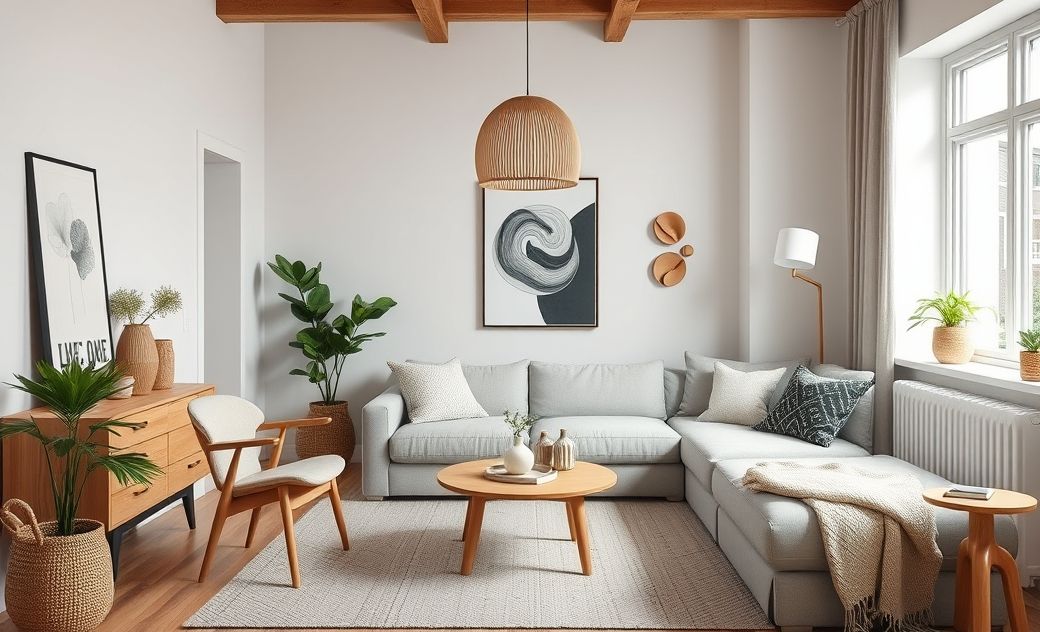
Scandinavian design, characterized by its simplicity, functionality, and connection to nature, has not only revolutionized the world of interior design but also influenced lifestyle choices globally. This design philosophy originates from the Nordic countries of Sweden, Denmark, Norway, and Finland, where the long, harsh winters prompted the creation of warm, welcoming, and efficient living spaces. As this aesthetic gained popularity, it began to impact how people approach various aspects of their lives, including home organization, consumer behavior, and general well-being.
Adoption of Minimalism
One of the primary ways that Scandinavian design influences lifestyle choices is through the encouragement of minimalism. This approach is about decluttering and simplifying environments, which is central to Scandinavian interiors. By reducing unnecessary elements and focusing on functionality, people are inspired to streamline their lives, leading to a more intentional and less stressful way of living.
Reducing Clutter
By embracing a minimalist approach, individuals are encouraged to keep only items that serve a purpose or bring joy. This mindset extends beyond physical spaces to affect digital environments and time management. The idea is to remove excess, making room for experiences and activities that hold real value.
Enhancing Quality of Life
Minimalism, as propagated by Scandinavian design, promotes a life where quality is prioritized over quantity. This can lead to a sense of clarity and peace, with studies suggesting that decluttered spaces can improve mental health and contribute to a better quality of life.
Focus on Sustainability
Another significant influence of Scandinavian design is the integration of sustainability into lifestyle choices. The design principles often include the use of natural materials, energy-efficient solutions, and eco-friendly practices, all of which encourage people to live in a more environmentally conscious manner.
Use of Natural Materials
Incorporating materials such as wood, cotton, and wool not only enhances aesthetic appeal but also ensures a lesser environmental footprint. This direction promotes sustainable consumerism, where individuals opt for products that are both beautiful and eco-friendly.
Sustainable Practices
Beyond materials, there’s a growing trend of adopting sustainable practices inspired by Scandinavian design, such as mindful purchasing, recycling, and upcycling. This lifestyle change contributes to a greater global shift toward reducing waste and conserving resources.
Emphasis on Cozy Living
The Scandinavian concept of “hygge” highlights the importance of creating cozy and comfortable environments. This concept has gained traction internationally, inspiring people to focus on the simple pleasures of life and creating inviting spaces to relax and unwind.
Creating Comfort and Warmth
The word “hygge” emphasizes the importance of coziness and togetherness, influencing how people design their homes and spend their time. This cultural phenomenon encourages spending more time with loved ones, enjoying the comforts of home, and prioritizing relaxation.
Promoting Well-Being
By fostering an environment that supports relaxation and positivity, the principles of hygge contribute to overall well-being. The focus on creating harmonious living spaces helps in reducing stress, enhancing mood, and promoting a healthier state of mind.
Impact on Digital and Work-Life Balance
The values behind Scandinavian design also play a role in shaping digital usage and work-life balance. Embracing simplicity and functionality extends to how technology is used and how people manage their time, helping individuals find equilibrium between their professional and personal lives.
Diverse Application
This influence can be seen in the rising trend of digital minimalism, where individuals curate their online presence and choose devices that align with less disruptive, more productive lifestyles. Moreover, the emphasis on balancing work and leisure supports mental health and enhances productivity.
In conclusion, the influence of Scandinavian design extends far beyond aesthetics. It provides a roadmap for intentional living, emphasizing minimalism, sustainability, coziness, and balance. As this design philosophy continues to spread globally, it encourages more thoughtful lifestyle choices that prioritize well-being, simplicity, and harmony with nature.
