
Companies everywhere are realizing that it is no longer enough to focus only on hiring talent. Long-term success depends on keeping people motivated and committed. This shift is especially important when working with the Z generation. These young professionals arrive with fresh ideas, digital fluency, and a desire to make an impact. At the same time, they are selective about the environments they join and even more selective about the ones they stay in. Understanding what inspires them is key to building an engaged and loyal workforce.
Creating a Culture That Reflects Their Values
The Z generation has grown up with constant access to information, diverse viewpoints, and social awareness. This background makes them highly value-driven. They want to work in places where the culture aligns with their beliefs. They move away from workplaces that feel outdated or disconnected from real-world issues. To support retention, leaders must invest in a culture built on openness, fairness, and inclusion. This is not about impressive slogans. It is about daily actions such as transparent communication, respectful teamwork, and visible integrity from leadership. When younger employees see their values reflected in the company’s choices, they feel a stronger sense of belonging.
Offering Growth That Feels Personal
Professional development is one of the strongest motivators for younger employees. They prefer environments that allow continuous learning rather than rigid career paths. Companies that want to retain the Z generation should create development plans that are flexible and personalized. This might include frequent skill-building sessions, rotation opportunities, or mentorship from leaders who actively support individual growth. Regular feedback is also essential. Managers don’t have to wait for an annual review; they can have short progress conversations that help workers make changes and do better. When people feel their employer is genuinely invested in their future, they are far more likely to stay.
Encouraging Innovation and Ownership
Many younger employees want to contribute ideas and see their work create visible results. Allowing them to participate in decision-making can significantly increase engagement. Leaders who encourage questions, experimentation, and even small risks show that innovation is welcome. Another effective strategy is offering ownership of meaningful projects. When employees take responsibility for outcomes, they develop pride in their achievements and strengthen their connection to the company. The goal is to move away from the feeling of simply completing tasks and toward the experience of making a difference.
Prioritizing Well-Being and Balance
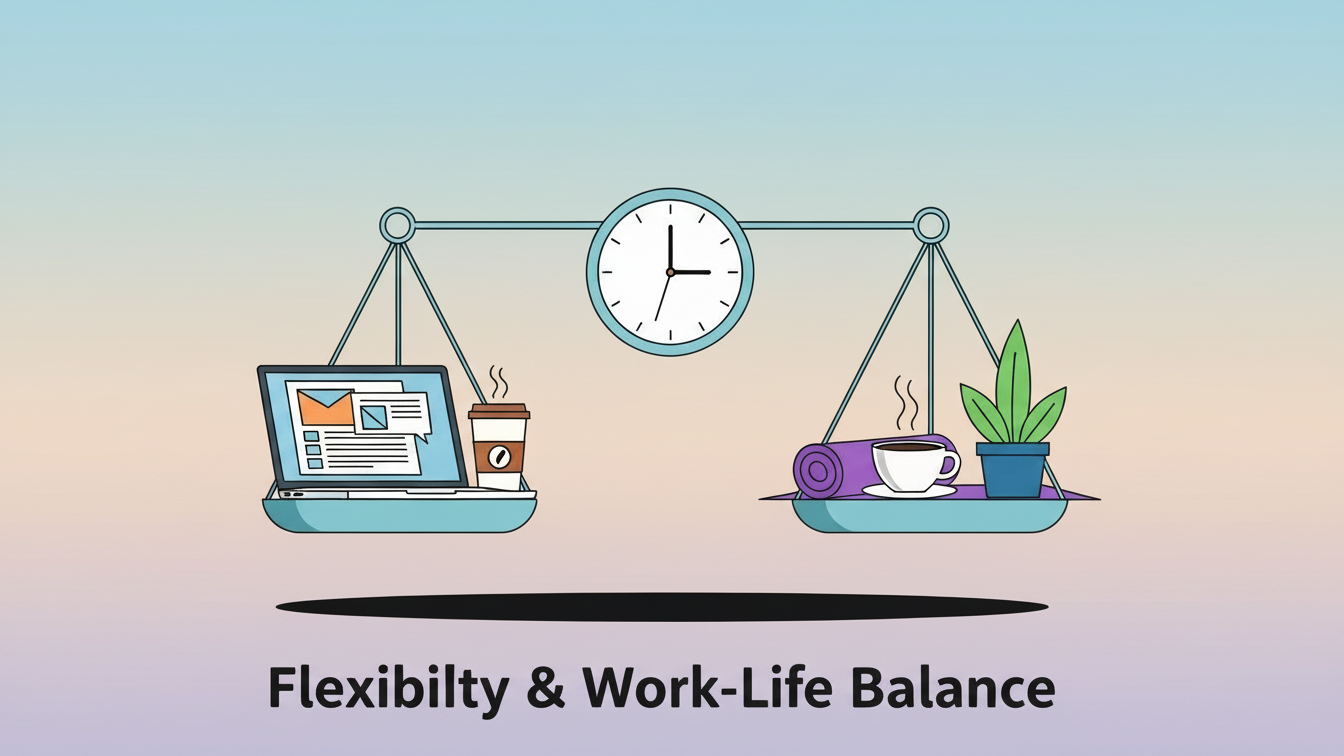
Work-life balance is not a luxury for the Z generation. It is a fundamental expectation. Companies that ignore this will face high turnover. Retention improves when workplaces offer reasonable hours, access to wellness resources, and supportive policies for mental health. Simple changes such as flexible schedules or quiet focus zones can have a big impact. A workplace that cares about personal well-being builds trust, and trust leads to long-term loyalty.
Using Technology to Strengthen Engagement
Technology shapes how younger employees communicate and collaborate. Integrating modern tools into daily work helps them stay efficient and connected. Using digital tools for communication, project management, and recognition can make things more efficient and give people a feeling of shared involvement. Even virtual learning tools can make development more accessible. When a workplace feels modern and efficient, it becomes more appealing for long-term commitment.
Building a Purpose-Driven Relationship
Above all, retention for the Z generation is built on purpose. When people understand how their work contributes to something meaningful, they remain motivated. Leaders can support this by explaining the impact of projects, celebrating milestones, and linking individual efforts to larger goals. A purpose-driven environment transforms work into a shared mission rather than a list of tasks.
Final Thought
Retention is not about keeping employees from leaving. It is about creating an environment they are excited to stay in. Companies that honor values, encourage growth, support well-being, and offer meaningful purpose will not only attract young professionals but will keep them engaged and loyal for years to come.
