
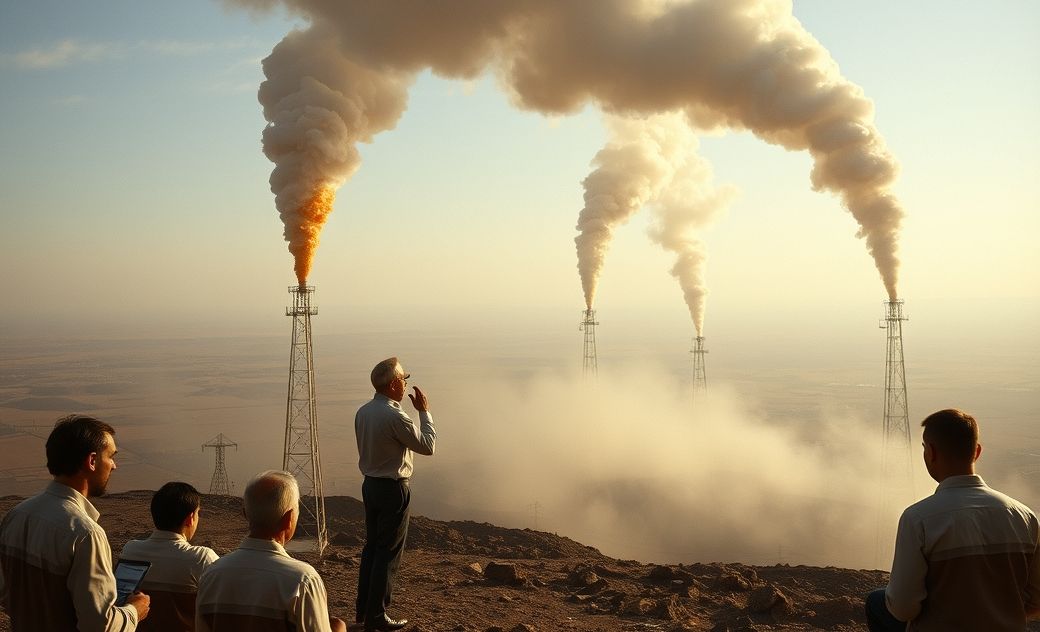
The 1970s energy crisis was a pivotal moment in history that reshaped global energy policies, economies, and international relations. This period was characterized by substantial oil shortages and soaring prices, primarily caused by geopolitical tensions and oil embargoes. These events prompted a significant shift in how nations approached energy consumption, production, and conservation.
Understanding the Causes of the Energy Crisis
The 1970s energy crisis was primarily triggered by the Yom Kippur War in October 1973, where Arab members of the Organization of Petroleum Exporting Countries (OPEC), along with Egypt and Syria, initiated a surprise attack against Israel. The resulting geopolitical tension led Arab oil producers to impose an oil embargo against nations perceived as supportive of Israel, namely the United States and its allies. This embargo resulted in reduced oil supplies and a rapid increase in oil prices, dramatically affecting economies worldwide.
Immediate Impacts on Global Economies
Inflation and Recession
One of the immediate impacts of the energy crisis was a significant spike in inflation. As oil prices quadrupled, costs for transportation, manufacturing, and energy production increased substantially. This inflationary pressure contributed to economic recessions in many industrialized countries, leading to widespread economic instability.
Changes in Trade Balances
The oil crisis also affected global trade balances. Oil-importing countries faced large deficits, as they had to expend significantly more on energy imports, while oil-exporting nations experienced substantial surpluses. This economic disparity led to significant shifts in global economic dynamics and intensification of financial dependencies.
Transformative Effects on Energy Policies
Promotion of Energy Conservation
The crisis spurred governments to promote energy conservation as a top priority. Policies encouraged the reduction of energy waste through increased efficiency standards and encouraged the use of public transportation. Building codes were updated to improve insulation and reduce heating and cooling demands.
Emphasis on Energy Diversity
To mitigate future energy crises, many countries sought to diversify their energy sources beyond oil. This period saw renewed interest in nuclear power, the development of natural gas infrastructure, and early investments in renewable energy technologies, such as solar and wind power.
Geopolitical Shifts and Strategic Alliances
The energy crisis also prompted significant geopolitical shifts. For instance, countries reevaluated their strategic alliances to ensure greater energy security. The United States sought to improve relations with energy-rich countries, while Europe accelerated its integration to enhance collective energy and economic security.
Formation of the International Energy Agency
In response to the crisis, the International Energy Agency (IEA) was established in 1974 by industrialized nations to coordinate a collective response to future disruptions in oil supply. The IEA’s objectives included promoting energy security, economic development, and environmental protection through secure and sustainable energy practices.
Long-Term Legacy of the 1970s Energy Crisis
The long-term legacy of the 1970s energy crisis is evident in the ongoing focus on energy efficiency and sustainability. The crisis highlighted the vulnerability of over-reliance on a single energy source and set the stage for contemporary discussions on energy security and climate change. It also fostered advancements in technology, global cooperation, and policy frameworks aimed at creating more resilient and sustainable energy systems.
In conclusion, the 1970s energy crisis was a catalyst for transformative changes in global energy policies. It prompted a reevaluation of energy consumption habits, the diversification of energy sources, and fostered international collaborations in the pursuit of a stable and sustainable energy future.
